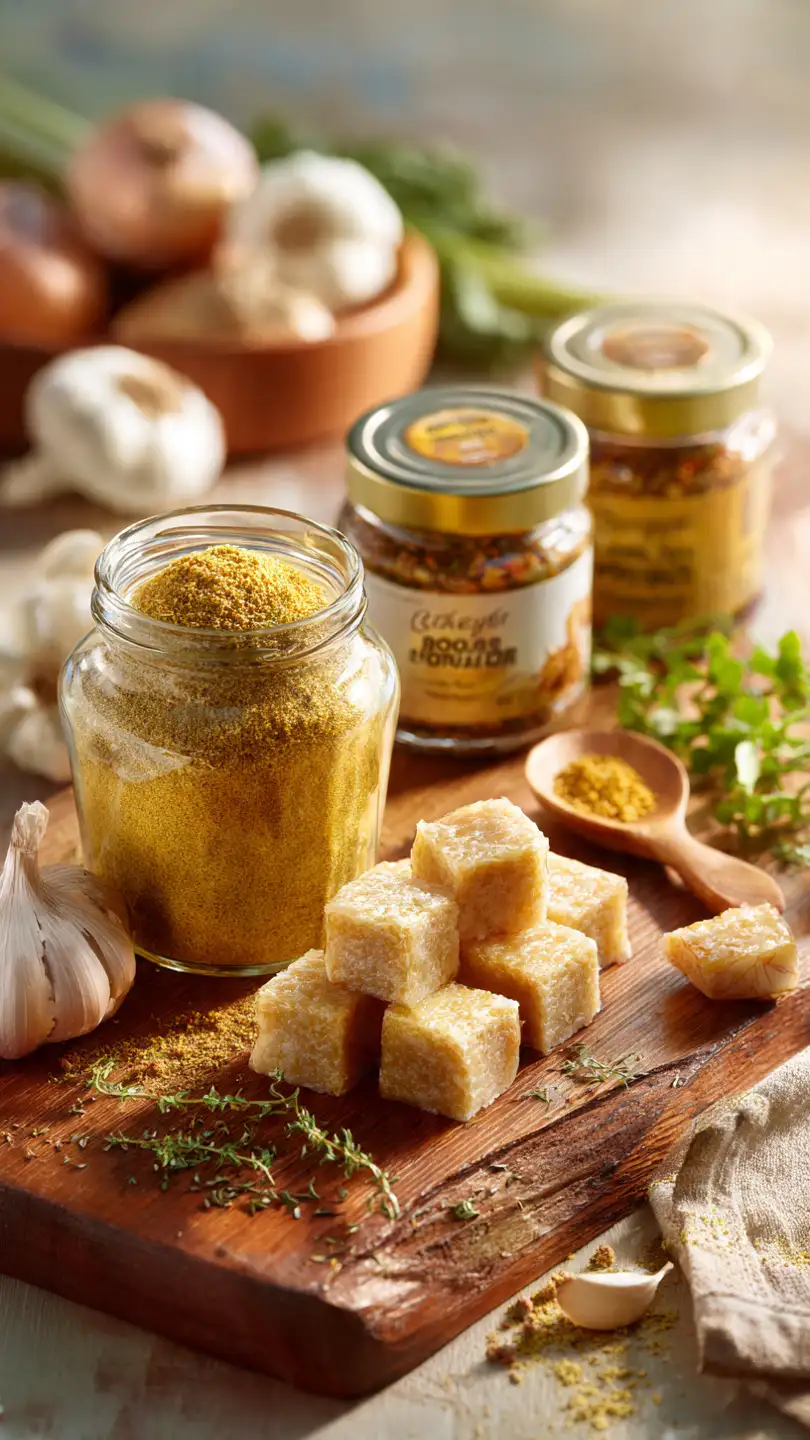
Chicken bouillon saved my dinner party when I ran out of homemade stock. Standing in my pantry, slightly panicked, I grabbed a jar my mom had left during her last visit. “Just trust it,” she’d said with a knowing smile. That single tablespoon turned plain water into rich, savory broth within minutes. Since then, chicken bouillon has become my secret weapon for adding instant depth to soups, rice dishes, and sauces. This concentrated flavor powerhouse comes in various forms powders, cubes, pastes, and liquids each perfect for different cooking needs. Whether you’re making quick chicken broth or seasoning everyday meals, understanding chicken bouillon opens up countless possibilities in your kitchen.
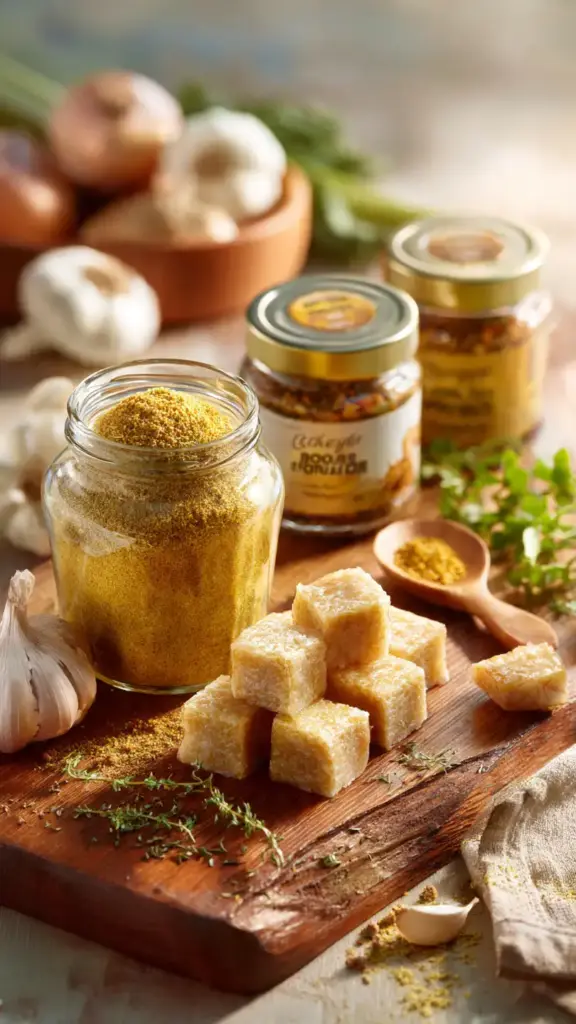
Table of Contents
What Is Chicken Bouillon and How Does It Differ from Broth?
Chicken bouillon is essentially concentrated chicken flavor packed into a convenient, shelf-stable form. Manufacturers create it by simmering chicken bones, meat, vegetables, and seasonings, then reducing the liquid until most of the water evaporates. Consequently, you’re left with an intensely flavored concentrate that can be reconstituted with water whenever you need it.
Quick Conversion Guide
One teaspoon of chicken bouillon powder or one cube dissolved in one cup of hot water creates ready-to-use broth. Double it for stronger flavor or dilute further for milder taste.
Bouillon vs. Broth vs. Stock: Key Differences
Many home cooks confuse these three chicken-based ingredients. While they’re related, understanding their differences helps you choose the right option for your recipe. Here’s a clear breakdown:
| Product | Form | Preparation Time | Shelf Life | Sodium Level |
|---|---|---|---|---|
| Chicken Bouillon | Concentrated (powder, cube, paste) | Instant (just add water) | 1-2 years unopened | High (800-1200mg per serving) |
| Chicken Broth | Ready-to-use liquid | None (pre-made) | 2-5 days opened | Medium (400-700mg per cup) |
| Chicken Stock | Liquid (homemade or boxed) | 4-6 hours to make | 3-4 days refrigerated | Low to Medium |
This concentration means bouillon packs significantly more sodium and intense flavor per serving. Additionally, making chicken broth with bouillon cubes gives you control over the final strength and saltiness of your liquid. Stock differs from both because it’s made primarily from bones rather than meat, resulting in a richer, more gelatinous texture when cooled.
The Key Ingredients in Chicken Bouillon
Most commercial chicken bouillon contains a straightforward list of ingredients, though the exact composition varies by brand. Here’s what you’ll typically find inside that jar or cube:
| Ingredient Category | Common Components | Purpose |
|---|---|---|
| Base Flavor | Chicken fat, chicken extract, chicken meat powder | Provides authentic poultry taste |
| Preservatives | Salt (primary ingredient) | Preservation and flavor boost |
| Flavor Enhancers | MSG, yeast extract, hydrolyzed vegetable protein | Adds savory umami depth |
| Vegetables | Dehydrated onion, celery, carrot powder | Rounds out flavor profile |
| Seasonings | Turmeric, parsley, herbs, spices | Color and complexity |
Nevertheless, it’s worth checking labels carefully if you have dietary restrictions or preferences. Reading ingredient lists helps you choose a chicken bouillon powder that aligns with your cooking style and dietary needs.
Label Reading Tips
- Look for MSG-free options if you’re sensitive to flavor enhancers or prefer natural ingredients.
- Choose organic varieties for non-GMO vegetables and free-range chicken sources.
- Check sodium content since low-sodium versions contain 30-50% less salt than regular bouillon.
- Verify halal certification if you follow dietary laws requiring specific animal processing methods.
Why Chicken Bouillon Beats Homemade Stock for Everyday Cooking
Don’t get me wrong—homemade chicken stock is wonderful when you have time. However, chicken bouillon offers unmatched convenience for busy weeknights. Here’s why it’s become my go-to kitchen staple:
Convenience Benefits:
- Zero prep time: No need to simmer bones for hours or clean greasy pots
- Minimal storage space: A single jar takes up less room than multiple cartons of broth
- Extended shelf life: Stays fresh for months without refrigeration
- No waste: Use exactly what you need without opened cartons going bad
- Travel-friendly: Perfect for camping trips or vacation rental cooking
Cooking Advantages:
- Consistent flavor: Delivers predictable results every single time
- Adjustable intensity: Control strength by adding more or less product
- Quick dissolution: Blends instantly into hot liquids and sauces
- Cost-effective: Significantly cheaper per serving than boxed broth
- Recipe reliability: Makes teaching and recreating dishes much easier
This flexibility makes it incredibly forgiving for both experienced cooks and beginners still finding their culinary footing. Besides that, bouillon allows you to adjust flavor intensity on the fly—need a stronger chicken taste? Just add an extra half teaspoon. Want something milder? Use slightly more water.
Types of Chicken Bouillon: Finding Your Perfect Match
Walking down the soup aisle can feel overwhelming with all the chicken bouillon options staring back at you. Last month, my friend Charlotte texted me a photo of five different bouillon products asking, “Which one do I actually need?” The answer depends on your cooking style, storage space, and how you plan to use it. Each format offers distinct advantages, and honestly, I keep multiple types in my pantry because they each shine in different situations.
Chicken Bouillon Powder: The Versatile Workhorse
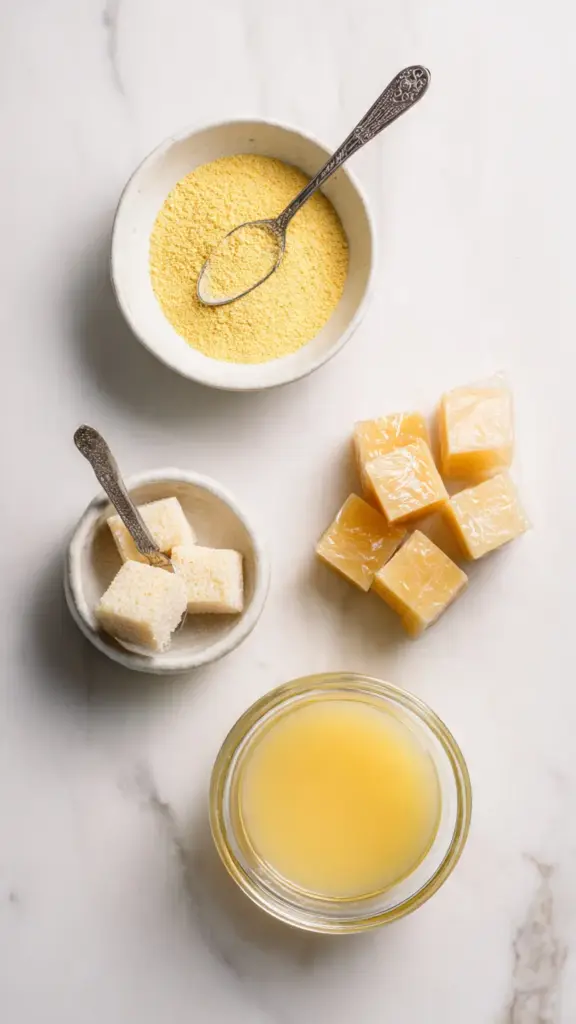
Chicken bouillon powder is my personal favorite for everyday cooking. This fine, granulated powder dissolves instantly in hot water, making it perfect for quick soups, sauces, and rice dishes. Unlike cubes that need crushing or stirring to fully dissolve, chicken bouillon powder blends seamlessly into any liquid within seconds. I personally keep Knorr Chicken Bouillon Powder in my pantry—it’s my everyday workhorse for adding instant depth to dishes.
| Pros | Cons |
|---|---|
| Dissolves instantly in hot or cold liquidsEasy to measure precise amountsNo residue or chunks left behindPerfect for dry rubs and seasoning blendsLong shelf life (2+ years unopened) | Can clump if exposed to moistureMeasuring spoons needed for accuracyMore expensive per serving than cubesJar takes up pantry space |
Best For
Gravies, marinades, rice pilaf, stir-fries, and recipes requiring precise seasoning control. Also excellent for camping since you can carry just what you need. Keep your powder fresh in an airtight glass storage jar and use accurate measuring spoons for consistent results.
Chicken Bouillon Cubes: The Classic Choice
Those little wrapped cubes have been kitchen staples for generations. My grandmother swore by them, keeping a box in her pantry that lasted for months. Each cube typically makes one cup of broth, though you can break them in half for smaller portions. They’re individually wrapped, which makes them incredibly portable and prevents moisture damage. Popular options like Knorr Chicken Bouillon Cubes and Maggi Chicken Bouillon Cubes deliver consistent flavor that’s perfect for everyday cooking.
| Pros | Cons |
|---|---|
| Pre-measured portions eliminate guessworkIndividually wrapped for freshnessMost budget-friendly optionNo moisture clumping issuesEasy to store in small spaces | Takes longer to dissolve completelyDifficult to use partial amountsCreates small undissolved bits sometimesWrapper waste with each useCan be hard and require crushing |
The key to using cubes successfully is crushing them before adding to liquid. I keep a dedicated small mortar and pestle just for this purpose. Simply crush the cube into powder, then stir it into hot water for smooth, lump-free broth every time.
Chicken Bouillon Paste: The Premium Option
Bouillon paste is the new kid on the block that’s been gaining serious traction among home cooks. This concentrated gel comes in jars and offers incredible flavor intensity. Better Than Bouillon Chicken Base popularized this format, and now several brands offer similar products. The paste texture makes it easy to scoop exactly what you need. For those seeking cleaner ingredients, Better Than Bouillon Organic Chicken Base provides the same rich flavor with certified organic ingredients. Professional kitchens often turn to Minor’s Chicken Base for its restaurant-quality depth and consistency.
| Pros | Cons |
|---|---|
| Most intense, complex flavor profileContains real chicken meatLower sodium than powder or cubesEasy to measure any amount neededDissolves quickly and completely | Most expensive option per servingRequires refrigeration after openingShorter shelf life (3-4 months opened)Can be harder to find in storesJar space in refrigerator needed |
Paste Usage Tips
- Start with half the recommended amount since paste tends to be more concentrated than powder or cubes.
- Add directly to hot pans when making sauces or gravies for instant flavor without dissolving first.
- Mix into butter for compound butter that adds savory depth to vegetables and bread.
- Store upside down in the refrigerator so the paste stays at the top for easy scooping.
Liquid Chicken Bouillon Concentrate: The Rare Find
Liquid concentrate is less common but worth mentioning. This syrupy liquid comes in bottles and works similarly to paste but with thinner consistency. You’ll find it more often in professional kitchens than home pantries, though some specialty stores carry it.
| Format | Best Use Cases | Typical Price Range | Shelf Life |
|---|---|---|---|
| Powder | Soups, rice, marinades, dry rubs | $4-8 per jar | 2 years unopened |
| Cubes | Basic soups, stews, simple sauces | $2-5 per box | 2 years unopened |
| Paste | Gourmet dishes, gravies, complex sauces | $6-12 per jar | 3-4 months opened |
| Liquid | Professional kitchens, large batches | $8-15 per bottle | 6 months opened |
Most home cooks find that keeping both powder and cubes on hand covers all their needs. The powder works beautifully for recipes requiring precise measurements, while cubes are perfect for quick soups when you need exactly one cup of broth. If you’re looking for alternatives, check out our guide on chicken bouillon substitutes for situations when you run out or prefer different options.
How to Use Chicken Bouillon in Your Everyday Cooking
Last Tuesday night, I was staring at a pot of plain rice thinking it looked terribly boring. Then I remembered my mom’s trick—she always cooked her rice in chicken bouillon instead of plain water. That simple swap transformed my side dish from forgettable to memorable. That’s the beauty of chicken bouillon—it sneaks flavor into dishes where you’d never expect it. Beyond the obvious soup applications, this concentrated flavor bomb belongs in your cooking rotation for countless recipes.
Classic Applications That Never Disappoint
Chicken bouillon shines brightest in these traditional preparations. Whether you’re making a quick weeknight dinner or preparing Sunday supper, these methods deliver consistent results every time:
| Dish Category | How to Use | Bouillon Amount | Pro Tip |
|---|---|---|---|
| Soups & Stews | Dissolve in hot water as base liquid | 1 tsp per cup of water | Add at beginning for best flavor distribution |
| Rice & Grains | Mix into cooking water before boiling | 1-2 tsp per 2 cups liquid | Reduce salt in recipe since bouillon is salty |
| Gravies & Sauces | Whisk directly into pan drippings | 1/2 to 1 tsp per cup liquid | Dissolve in small amount of hot water first |
| Marinades | Mix with oil, acid, and seasonings | 1 tsp per 1/4 cup liquid | Balances acidity and adds depth |
| Vegetables | Add to steaming or sautéing liquid | 1/2 tsp per serving | Brings out natural vegetable sweetness |
Simple Chicken Bouillon Rice Recipe
This foolproof recipe converts plain white rice into a flavorful side dish that pairs with absolutely everything. I make this at least twice a week because it’s that good and that easy. You’ll need a quality soup pot with a tight-fitting lid for perfect results.
Chicken Bouillon Rice
- Ingredients: 2 cups long-grain white rice, 4 cups water, 4 teaspoons chicken bouillon powder, 2 tablespoons butter, 1/2 teaspoon garlic powder (optional)
- Instructions: Bring water and bouillon to boil in medium pot. Add rice and butter, stir once, then reduce heat to low. Cover and simmer 18-20 minutes without lifting lid. Remove from heat and let stand 5 minutes covered. Fluff with fork and serve.
- Yield: Serves 6-8 as a side dish
- Storage: Refrigerate leftovers up to 4 days in airtight container
Creative Ways to Use Chicken Bouillon Beyond Soup
Once you start thinking of chicken bouillon as a seasoning rather than just a soup base, your cooking possibilities multiply. Here are some unexpected applications that have become staples in my kitchen:
Flavor Boosters:
- Mashed potatoes: Add 1 teaspoon to boiling water before adding potatoes for extra savory depth
- Pasta water: Season cooking water with bouillon so pasta absorbs flavor from the inside out
- Roasted vegetables: Toss vegetables with olive oil and sprinkle powder before roasting for crispy, flavorful results
- Scrambled eggs: Whisk tiny pinch into eggs before cooking for restaurant-quality breakfast
- Popcorn seasoning: Mix powder with melted butter and drizzle over freshly popped corn
Cooking Liquids:
- Braising liquid: Dissolve in wine or water when braising chicken or vegetables
- Steaming liquid: Add to water when steaming fish, dumplings, or vegetables
- Deglazing: Sprinkle directly into hot pan after searing meat, then add liquid
Salt Warning
Chicken bouillon contains significant sodium. Always taste before adding extra salt to dishes. Start with less bouillon than recommended and adjust upward—you can always add more but can’t remove it once added!
Making Perfect Chicken Broth from Bouillon
Converting chicken bouillon into ready-to-use broth is incredibly straightforward. The standard ratio works for most applications, though you can adjust based on how you’ll use the final product. For detailed instructions and troubleshooting tips, check out our complete guide on how to make chicken broth with bouillon cubes.
| Broth Strength | Bouillon Amount | Water Amount | Best For |
|---|---|---|---|
| Light Broth | 1/2 tsp powder or 1/2 cube | 1 cup water | Delicate soups, steaming vegetables, cooking pasta |
| Standard Broth | 1 tsp powder or 1 cube | 1 cup water | Most recipes, general cooking, sauces |
| Strong Broth | 1.5 tsp powder or 1.5 cubes | 1 cup water | Hearty stews, reduction sauces, intense flavor needs |
| Double Strength | 2 tsp powder or 2 cubes | 1 cup water | Pan sauces, glazes, dishes with long cooking times |
Remember that chicken bouillon isn’t just for chicken dishes. It adds savory umami to vegetable soups, bean dishes, and even some seafood preparations. The key is understanding that you’re adding concentrated chicken flavor along with salt and seasonings. This makes it incredibly versatile but also means you need to account for the sodium when planning your recipe’s overall seasoning.
Best Chicken Bouillon Brands: Which One Should You Buy?
Standing in the grocery aisle comparing bouillon brands can feel overwhelming. Last month, my friend Sophia called me from the store asking which brand to choose. “They all look the same,” she said, frustrated. The truth is, quality varies significantly between brands. After testing dozens of options over the years, I’ve developed strong opinions about which ones deliver the best flavor and value for your money.
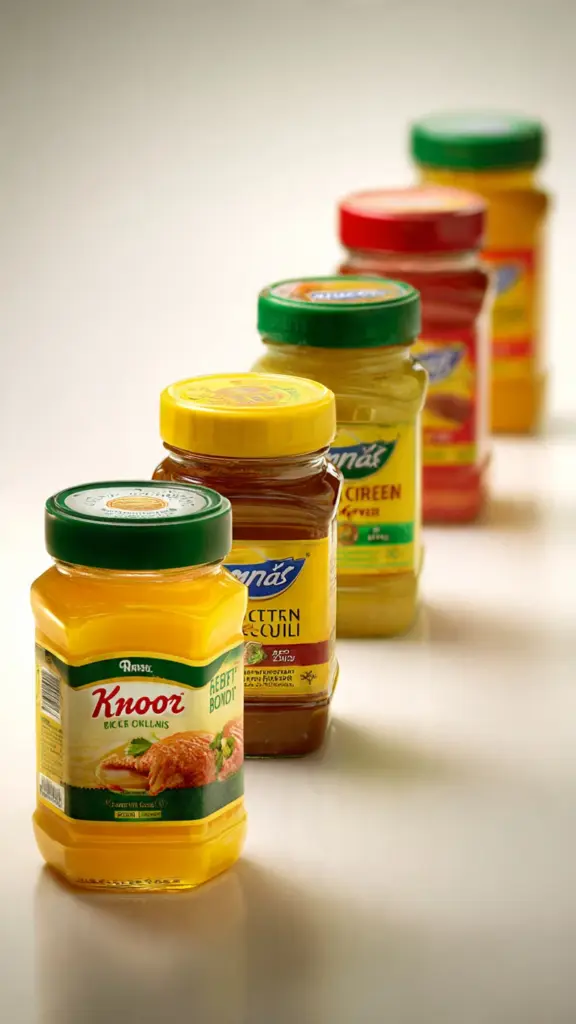
Top Chicken Bouillon Brands Compared
| Brand | Format | Flavor Rating | Price Range | Best Feature |
|---|---|---|---|---|
| Knorr | Powder, Cubes | 4/5 | $3-6 | Widely available, consistent quality, budget-friendly |
| Better Than Bouillon | Paste | 5/5 | $6-10 | Superior flavor, real chicken, lower sodium options |
| Maggi | Cubes | 4/5 | $2-5 | International favorite, robust flavor, great value |
| Minor’s | Paste | 5/5 | $8-15 | Professional quality, restaurant-grade depth |
| Better Than Bouillon Organic | Paste | 4.5/5 | $8-12 | Clean ingredients, certified organic, no MSG |
My Top Pick
For everyday cooking, I reach for Knorr powder because it dissolves instantly and delivers reliable flavor. When I’m making something special like homemade soup or gravy, I upgrade to Better Than Bouillon paste for its superior taste and real chicken content.
What to Look for When Choosing a Brand
Not all chicken bouillon is created equal. Here’s what separates the best from the rest:
Quality Indicators:
- Real chicken content: Check if chicken or chicken fat appears in the first three ingredients
- Minimal fillers: Avoid brands listing corn syrup solids or excessive starches early in ingredients
- Clear labeling: Reputable brands clearly state sodium content and serving sizes
- No artificial colors: Natural coloring from turmeric is preferable to artificial dyes
- Dissolvability: Quality bouillon dissolves completely without leaving residue
Red Flags to Avoid:
- Generic store brands: Often contain more salt and less actual chicken flavor
- Extremely cheap options: Usually indicate lower quality ingredients and more fillers
- Clumpy powder: Sign of poor storage or moisture exposure
- Off smells: Fresh bouillon should smell savory and appetizing, not rancid
Nutrition Information and Storage Guidelines
Understanding the nutritional profile of chicken bouillon helps you make informed decisions about how to use it in your cooking. The sodium content is the biggest consideration for most people.
| Nutritional Aspect | Typical Amount (per tsp) | Health Considerations |
|---|---|---|
| Calories | 5-10 | Negligible caloric impact on meals |
| Sodium | 900-1200mg | Nearly half daily recommended intake; choose low-sodium versions if concerned |
| Protein | 0-1g | Not a significant protein source |
| Fat | 0-0.5g | Minimal fat content |
Storage Best Practices
- Powder and cubes: Store in cool, dry pantry away from moisture. Properly stored, they last 18-24 months.
- Paste varieties: Refrigerate after opening. Use within 12-18 months for best quality.
- Prevent clumping: Keep powder containers tightly sealed. Consider transferring to an airtight glass jar for maximum freshness.
- Check expiration dates: While bouillon lasts long, flavor quality diminishes over time.
FAQs
What is in a chicken bouillon?
Chicken bouillon contains concentrated chicken flavor, salt, dehydrated vegetables (typically onion, celery, and carrot), chicken fat or extract, and flavor enhancers like MSG or yeast extract. Most brands also include seasonings such as turmeric for color, herbs, and spices. The exact ingredients vary by brand and format. Paste varieties generally contain more real chicken meat, while powder and cubes may have more dehydrated components. Premium brands often include actual chicken meat powder in higher concentrations. Always check the label if you have dietary restrictions or allergies, as formulations differ significantly between manufacturers.
Is chicken bouillon the same as chicken broth?
No, chicken bouillon and chicken broth are related but different products. Chicken bouillon is a concentrated form that requires dilution with water to become broth. Think of bouillon as the “condensed” version—it packs intense flavor into a small amount of powder, paste, or cube. Chicken broth, conversely, is ready-to-use liquid that’s been simmered with chicken, vegetables, and seasonings. You drink broth straight from the carton, but you must mix bouillon with hot water first. The concentration also means bouillon contains significantly more sodium per serving. However, when properly diluted (typically 1 teaspoon powder or 1 cube per cup of water), bouillon creates a liquid very similar to commercial chicken broth. The main advantages of bouillon are longer shelf life, smaller storage footprint, and lower cost per serving.
What is a substitute for chicken bouillon?
Several excellent alternatives work when you don’t have chicken bouillon on hand. Chicken broth or stock is the most direct substitute—use 1 cup of broth in place of 1 teaspoon bouillon dissolved in 1 cup water. Chicken base (paste) works identically to bouillon powder. For vegetarian options, vegetable broth or vegetable bouillon provides savory depth without chicken flavor. Soy sauce or tamari adds umami and saltiness, though the flavor profile differs. In a pinch, you can create a quick substitute by combining 1 cup water with 1 tablespoon soy sauce and a pinch of onion powder. Mushroom broth offers excellent umami richness. For more detailed substitution ratios and specific applications, check our comprehensive guide on chicken bouillon substitutes that covers various dietary needs and flavor preferences.
Is chicken bouillon good or bad for you?
Chicken bouillon isn’t inherently good or bad—it depends on your overall diet and health goals. The main health concern is sodium content, with one teaspoon containing 900-1200mg of sodium (about 40-50% of the daily recommended limit). For people watching their salt intake due to high blood pressure or heart conditions, this is significant. However, bouillon provides negligible calories and adds flavor that might help you enjoy healthier foods like vegetables and whole grains. Some brands contain MSG, which concerns certain consumers, though research shows it’s generally safe for most people. The small amounts of chicken fat and extract offer minimal nutritional value but aren’t harmful in moderation. Low-sodium versions reduce salt by 30-50% while maintaining decent flavor. Overall, chicken bouillon serves best as an occasional convenience product rather than a daily staple. If you use it regularly, balance it by reducing salt elsewhere in your recipes and choosing low-sodium varieties when possible.
Making Chicken Bouillon Work for You
Chicken bouillon has earned its place as a kitchen essential for good reason. Whether you choose powder for its convenience, cubes for portion control, or paste for superior flavor, this concentrated seasoning delivers instant depth to countless dishes. The key is understanding how to use it properly—accounting for the sodium content, choosing quality brands, and knowing when to reach for it versus when homemade stock makes more sense.
Throughout my years of cooking, I’ve learned that the best kitchen is one equipped with options. I keep Knorr powder for everyday cooking and Better Than Bouillon paste for special dishes. This combination covers every cooking scenario without breaking the bank or cluttering my storage space.
Don’t be afraid to experiment with different brands and formats until you find what works for your cooking style. Start with the standard recipes and ratios, then adjust based on your taste preferences. Remember that chicken bouillon is a tool in your culinary arsenal—use it wisely, and it’ll help you create delicious meals with minimal effort and maximum flavor.
More Recipes You May Like
If you enjoyed learning about chicken bouillon, these related recipes and guides will help you put your knowledge into practice: