
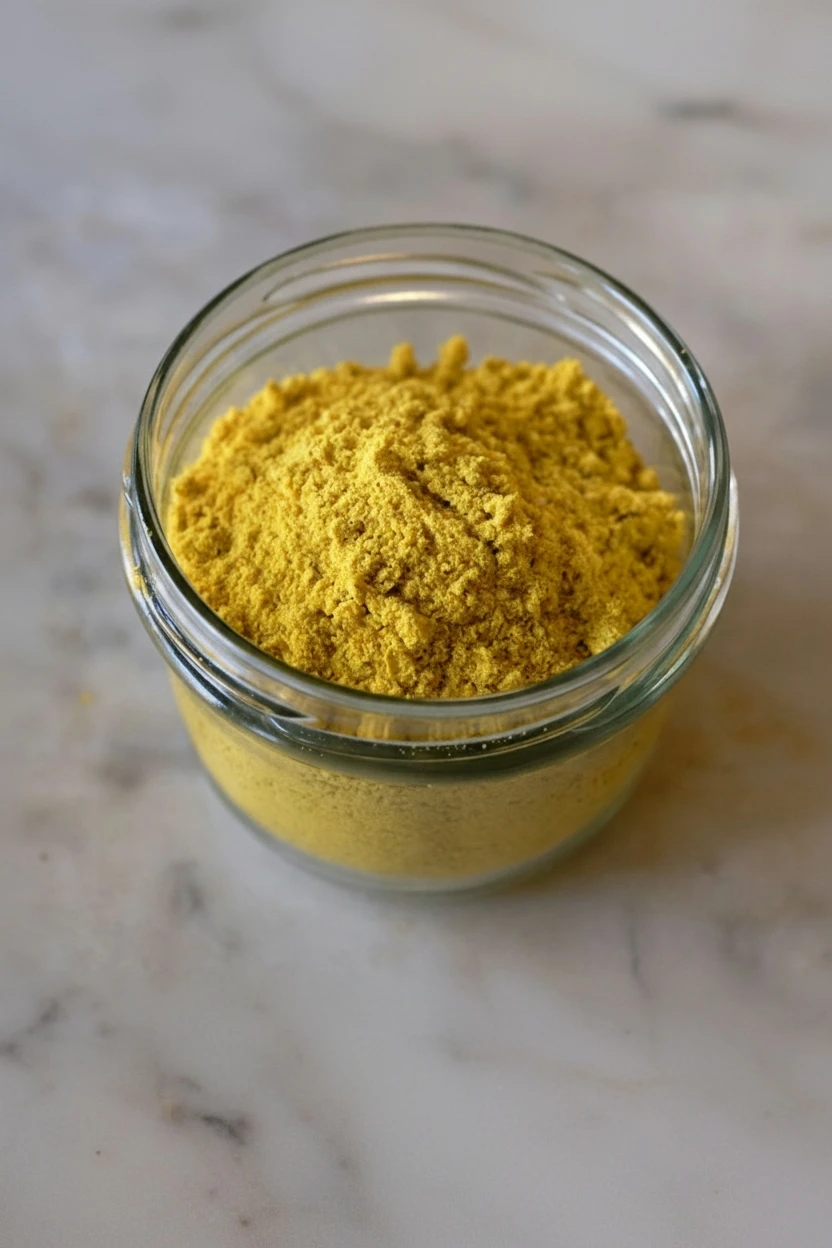
Chicken bouillon substitute options saved my dinner last Tuesday when I discovered my bouillon jar sitting completely empty. I was halfway through making soup for friends arriving in an hour, and panic started setting in. Instead of rushing to the store, I grabbed what I had in my pantry and created something even better than my original plan.
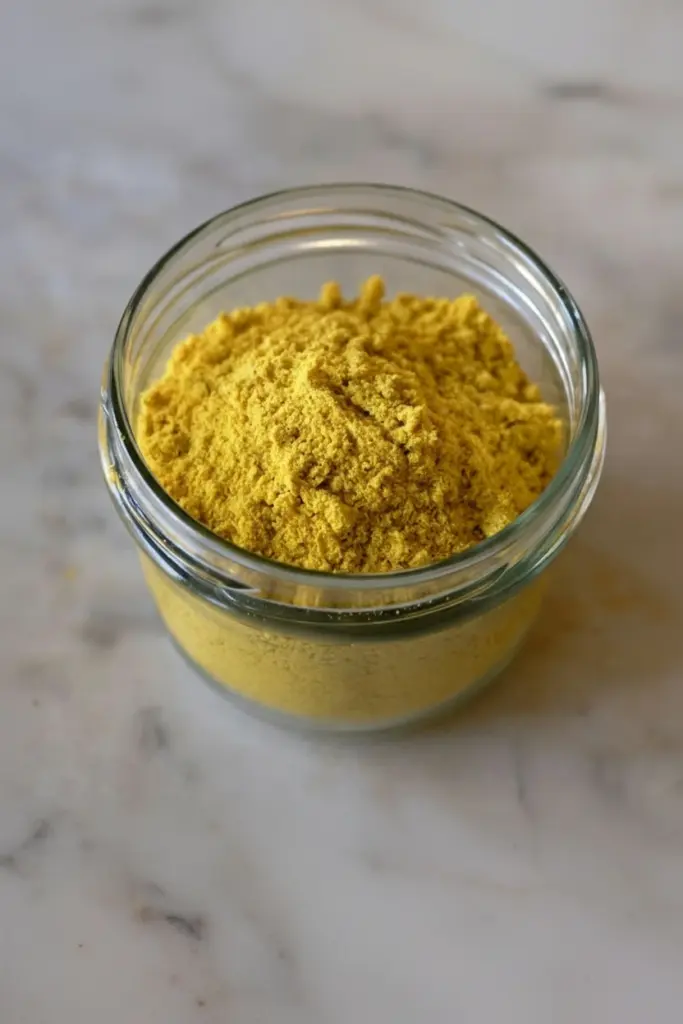
Running out of bouillon happens to everyone. Whether you’re watching sodium intake, following a plant-based diet, or simply forgot to restock, knowing your options makes cooking stress-free. This guide walks you through ten proven alternatives that deliver rich, savory depth. Plus, I’m sharing exact conversion measurements and flavor-matching tips that actually work.
Table of Contents
What Is Chicken Bouillon and Why Do You Need Substitutes?
Chicken bouillon comes in cubes, granules, or powder form. Manufacturers create it by concentrating chicken stock with salt, seasonings, and various additives. Most store-bought versions pack around 900mg of sodium per cube, which equals nearly 40% of your daily recommended intake in just one tiny square.
Traditional bouillon contains MSG, artificial flavors, and preservatives that many home cooks avoid. Besides, vegetarians can’t use standard chicken bouillon, and people watching their salt intake need better options. That’s where smart substitutions come in handy.
Understanding bouillon’s role in recipes helps you pick the right alternative. It adds savory depth, umami flavor, and that rich “meaty” taste to soups, stews, rice dishes, and sauces. Therefore, your substitute needs to deliver similar flavor complexity. My chicken bouillon powder recipe offers a healthier homemade version, but sometimes you need instant solutions from ingredients already in your pantry.
Chicken Bouillon Substitute: 10 Best Alternatives That Actually Work
Finding the perfect chicken bouillon substitute depends on what you’re cooking and what’s available in your kitchen. After testing dozens of combinations, I’ve narrowed down the ten most reliable chicken bouillon substitute options that deliver consistent results. Each substitute for chicken bouillon brings its own flavor profile and works better in specific dishes.
1. Chicken Broth or Stock – The Most Direct Swap
Chicken broth stands as the best chicken bouillon substitute for most recipes. It delivers that authentic poultry flavor without the excessive sodium and additives found in bouillon cubes. I keep both homemade and store-bought versions on hand because they’re incredibly versatile.
The conversion couldn’t be simpler. Replace one bouillon cube with one cup of chicken broth, and reduce other liquids in your recipe by the same amount. For instance, if your soup calls for one bouillon cube dissolved in two cups of water, use two cups of broth instead. This chicken broth substitute works perfectly when you’re short on time, and brands like Swanson or Pacific Foods deliver reliable results.
Homemade chicken stock offers even better results. Simply save your chicken bones after roasting and simmer them with vegetables for rich, gelatinous stock. This method costs nothing and fills your freezer with ready-to-use flavor bombs. Plus, you control the salt content completely.
2. Vegetable Broth – The Plant-Based Winner
Vegetable broth serves as an excellent chicken bouillon substitute vegetarian option for plant-based cooking. While it lacks the meaty depth of chicken-based options, it adds wonderful savory notes to soups, grains, and sauces. I discovered this chicken broth alternative works particularly well in lighter dishes where chicken flavor might overpower delicate ingredients.
Use a 1:1 ratio when swapping vegetable broth for bouillon. However, you’ll need to boost the umami factor slightly. Add a splash of soy sauce, a pinch of nutritional yeast, or a spoonful of miso paste to mimic that rich, savory quality. My vegetarian friends swear by this combination, and honestly, sometimes I prefer it even when I’m not cooking plant-based meals.
3. Homemade Bouillon Powder – The Healthiest Option
Making your own bouillon powder takes just ten minutes and lasts for months. My chicken bouillon powder recipe uses nutritional yeast, herbs, and spices to create that signature “chicken-y” flavor without any actual chicken. It’s become my go-to substitute because it’s shelf-stable and always ready when I need it.
The secret ingredient is nutritional yeast, which provides incredible umami depth and a slightly cheesy, savory taste. Mixed with onion powder, garlic powder, dried herbs, and salt, it creates a powder that rivals store-bought versions. Use one tablespoon of this homemade powder per cup of hot water to make instant broth.
This option saves money too. A batch costs about three dollars and replaces twenty bouillon cubes worth of flavor. Store it in an airtight container, and it’ll stay fresh for up to six months at room temperature.
4. Better Than Bouillon – The Convenient Alternative
Better Than Bouillon paste offers a middle ground between cubes and homemade options. It contains real chicken and fewer additives than traditional bouillon cubes, though it still has considerable sodium. I keep a jar in my fridge for those nights when I need quick flavor without making stock from scratch.
The paste dissolves instantly in hot water, making it perfect for last-minute cooking. Use one teaspoon of paste per cup of water to create broth that matches one bouillon cube’s intensity. It comes in various flavors including roasted chicken, which adds extra depth to your dishes.
5. Bone Broth – The Nutrient-Dense Choice
Bone broth brings incredible richness and nutritional benefits to your cooking. It’s thicker and more gelatinous than regular stock because of the extended cooking time that extracts collagen from the bones. Whenever I make a big batch, I freeze it in ice cube trays for easy portioning.
Substitute bone broth for bouillon using a 1:1 ratio, but remember it has a stronger flavor. Start with slightly less if you’re uncertain, then taste and adjust. The gelatin content makes sauces silkier and soups more satisfying. You can find quality bone broth at most grocery stores now, though homemade versions taste infinitely better.
6. Miso Paste – The Umami Powerhouse
Miso paste surprised me when I first tried it as a substitute for chicken bouillon. This fermented soybean paste delivers intense umami flavor that works beautifully in Asian-inspired dishes and beyond. White miso tastes milder and slightly sweet, while red miso brings bolder, saltier notes.
Mix one tablespoon of miso paste into one cup of hot water to create a flavorful broth alternative. Don’t boil miso directly, as high heat destroys its beneficial probiotics and delicate flavor. Instead, add it at the end of cooking or temper it with a bit of your hot liquid first. This technique works wonderfully in ramen, stir-fries, and even risotto.
7. Soy Sauce Plus Water – The Quick Fix
Sometimes you need flavor fast, and soy sauce delivers. Mix one tablespoon of soy sauce with one cup of water to create a simple broth substitute. It won’t taste exactly like chicken bouillon, but it adds that crucial savory depth your recipe needs.
This combination works best in dishes where soy sauce flavor fits naturally, like fried rice, Asian noodles, or vegetable stir-fries. Add a pinch of garlic powder and onion powder to round out the flavor profile. For a richer taste, throw in a bay leaf while cooking. My kung pao beef recipe uses this exact technique with fantastic results.
8. Dry White Wine – The Sophisticated Swap
Dry white wine creates an elegant substitute for chicken bouillon in certain recipes. Use it to replace about one-quarter of the liquid in your dish, combining it with water or vegetable broth for the remainder. The alcohol cooks off, leaving behind complex, slightly acidic notes that brighten rich dishes.
This substitute shines in risotto, cream sauces, and braised chicken dishes. However, skip it in recipes where wine flavor seems out of place, like traditional chicken noodle soup. Always cook wine thoroughly to allow the alcohol to evaporate completely, which typically takes about three to five minutes of simmering.
9. Mushroom Broth – The Earthy Alternative
Mushroom broth provides deep, earthy flavor that mimics the umami quality of chicken bouillon remarkably well. You can buy it pre-made or create your own by simmering dried mushrooms in water for thirty minutes. Shiitake mushrooms work particularly well because they’re intensely flavorful.
Use mushroom broth in a 1:1 ratio as a chicken broth alternative. It’s perfect for vegetarian dishes, grain bowls, and hearty soups. The earthiness complements root vegetables beautifully, making it my top choice for fall and winter cooking. Strain out the mushroom pieces after simmering, or chop them finely and add them back for extra texture.
10. Water Plus Seasonings – The Pantry Staple Solution
When you’re truly out of options, plain water combined with the right seasonings can save your dish. This approach requires a bit more finesse, but it works surprisingly well. Mix one cup of water with one-quarter teaspoon each of onion powder, garlic powder, and dried herbs like thyme or parsley.
Add a small pinch of turmeric for color and a tiny splash of soy sauce for depth. Salt to taste, keeping in mind that bouillon cubes are extremely salty. This method won’t replicate chicken bouillon perfectly, but it provides enough savory backbone for most recipes. I use this technique often in my 4-ingredient potato soup when I want to keep things simple.
How Much Substitute to Use
Getting the measurements right makes all the difference. Here’s a quick reference table showing exactly how much of each substitute equals one standard bouillon cube:
| Substitute | Amount Per 1 Bouillon Cube | Best Used In |
|---|---|---|
| Chicken Broth/Stock | 1 cup (reduce other liquid by 1 cup) | Soups, stews, rice, sauces |
| Vegetable Broth | 1 cup (reduce other liquid by 1 cup) | Vegetarian dishes, light soups |
| Homemade Bouillon Powder | 1 tablespoon mixed in 1 cup water | All recipes |
| Better Than Bouillon | 1 teaspoon in 1 cup water | Quick soups, sauces |
| Bone Broth | 3/4 to 1 cup (stronger flavor) | Rich soups, braised dishes |
| Miso Paste | 1 tablespoon in 1 cup water | Asian dishes, soups |
| Soy Sauce + Water | 1 tablespoon soy sauce + 1 cup water | Stir-fries, fried rice |
| Dry White Wine | 1/4 cup wine + 3/4 cup water | Risotto, cream sauces |
| Mushroom Broth | 1 cup (reduce other liquid by 1 cup) | Vegetarian soups, grain dishes |
| Water + Seasonings | 1 cup water + spices to taste | Simple soups, emergency situations |
When to Use Each Chicken Bouillon Substitute
Choosing the right substitute depends on your specific cooking situation. Therefore, understanding when each option works best helps you make smart decisions in the kitchen.
For traditional comfort foods like chicken soup or pot pie, stick with chicken broth or stock. These dishes rely on authentic poultry flavor, and nothing else comes close. Similarly, my marry me chicken soup recipe tastes best with real chicken stock as the base.
Vegetarian and vegan dishes benefit most from vegetable broth, miso paste, or mushroom broth. These options provide savory depth without any animal products. Meanwhile, soy sauce combinations work beautifully in Asian-inspired meals where that flavor profile fits naturally.
When you’re watching sodium intake, homemade bouillon powder or bone broth give you complete control over salt content. Start with less salt than you think you need, then adjust gradually. Remember, you can always add more, but you can’t take it away.
For elegant dinner parties and special occasions, wine-based substitutes bring sophistication to your cooking. They work particularly well in French-inspired dishes and creamy pasta sauces. However, save this option for recipes where wine flavor complements the other ingredients.
Quick weeknight dinners call for convenient options like Better Than Bouillon or your pre-made homemade powder. Both dissolve instantly and deliver consistent results without extra prep work. Keep these on hand for those hectic evenings when time matters more than perfection.
Frequently Asked Questions About Chicken Bouillon Substitute
Can you replace bouillon with broth?
Yes, you can absolutely replace bouillon with broth. This stands as the most straightforward chicken bouillon substitute available. Use one cup of chicken broth for every bouillon cube your recipe calls for, and reduce other liquids by the same amount. For example, if your recipe needs one bouillon cube plus two cups of water, simply use two cups of chicken broth instead. Broth contains similar flavors but with less sodium and fewer artificial additives. Store-bought chicken broth works perfectly, though homemade stock delivers even richer results. This swap works in virtually every recipe calling for bouillon, from soups and stews to rice dishes and sauces.
How much powder is equal to a chicken bouillon cube?
One tablespoon of homemade bouillon powder mixed with one cup of hot water equals one standard chicken bouillon cube. If you’re using commercial bouillon powder or granules, one teaspoon typically equals one cube, though you should check the package instructions since brands vary. My chicken bouillon powder recipe creates a concentrated blend that requires one full tablespoon per cup because it’s made with natural ingredients that are less salty than commercial versions. When substituting any bouillon powder substitute, start with less than you think you need and taste as you go. You can always add more, but you can’t remove excess salt once it’s dissolved into your dish.
Is chicken stock the same as chicken bouillon?
No, chicken stock and chicken bouillon aren’t exactly the same, though they serve similar purposes. Chicken stock is liquid made by simmering chicken bones, vegetables, and aromatics in water for several hours. It contains natural gelatin from the bones and has a lighter, more delicate flavor. Chicken bouillon comes as concentrated cubes, granules, or powder that dissolves in water to create instant broth. Bouillon contains much higher sodium levels, preservatives, and sometimes MSG or artificial flavors. However, both add savory chicken flavor to recipes. Stock makes a healthier chicken bouillon substitute because it contains real ingredients without additives. The flavor profiles differ slightly, but stock works beautifully as a substitute for chicken bouillon in any recipe.
Is chicken bouillon just stock?
No, chicken bouillon isn’t just stock. Bouillon is heavily concentrated and dehydrated stock mixed with salt, seasonings, and usually preservatives to create shelf-stable cubes or powder. Traditional stock is liquid and perishable, requiring refrigeration or freezing. Bouillon cubes contain approximately 900mg of sodium each, while homemade stock lets you control salt levels completely. Most commercial bouillon also includes MSG, maltodextrin, and artificial flavoring that don’t appear in pure stock. Think of bouillon as an ultra-concentrated, highly processed version of stock designed for convenience. When you need a chicken broth alternative, real stock provides better nutrition and cleaner ingredients. That’s why many home cooks now make their own bouillon powder substitute using nutritional yeast and herbs instead of relying on commercial cubes.
Pro Tips for Using Chicken Bouillon Substitute Successfully
- Start with less salt: Most chicken bouillon substitute options contain less sodium than commercial bouillon cubes. Taste your dish before adding extra salt, especially when using homemade versions. You can always add more seasoning, but you can’t remove it once it’s in your soup or sauce.
- Adjust liquid ratios carefully: When switching from bouillon cubes to broth-based chicken bouillon substitute options, remember to reduce other liquids in your recipe. If you add one cup of broth to replace a cube, decrease water or other liquids by one cup to maintain the right consistency.
- Layer your flavors: A great substitute for chicken bouillon often requires boosting umami with additional ingredients. Add a splash of soy sauce, a pinch of nutritional yeast, or some mushroom powder to deepen the savory notes in your dish.
- Keep multiple options on hand: Stock your pantry with several chicken broth substitute choices. I always have homemade bouillon powder, a jar of Better Than Bouillon, and boxes of broth in my kitchen. This way, you’re never caught without options when a recipe calls for bouillon.
- Make ice cube portions: Freeze homemade stock or broth in ice cube trays. Each cube equals about two tablespoons, making it easy to add just the right amount of your chicken bouillon substitute to recipes without defrosting an entire container.
Kitchen Hack for Emergency Situations
When you’re completely out of chicken bouillon substitute ingredients, grab a package of instant ramen noodles. The seasoning packet contains concentrated flavors similar to bouillon. Use half a packet mixed with water as a quick substitute for chicken bouillon in soups or rice dishes. Just skip the noodles themselves!
Final Thoughts
Finding the right chicken bouillon substitute doesn’t have to stress you out. Whether you grab chicken broth from your pantry, mix up homemade bouillon powder, or try miso paste for the first time, you’ve got plenty of options that work beautifully. I’ve learned that running out of bouillon cubes often leads to discovering even better flavors in my cooking.
Start with the conversion chart I’ve shared, taste as you go, and don’t be afraid to experiment. Your soups, sauces, and rice dishes will thank you. Remember, the best substitute for chicken bouillon is simply the one you have on hand that fits your recipe.
Want more recipe inspiration? Follow me on Pinterest for daily cooking tips and beautiful food ideas, or join our Facebook community where we share kitchen wins and answer cooking questions together!
More Recipes You May Like
Now that you’ve mastered chicken bouillon substitute techniques, put your new knowledge to work with these delicious recipes: