
A fruit cream cake should stay beautiful for days, not collapse within hours. I’ve tested this fruit cream cake recipe over forty times, and the secret is stabilized whipped cream. Unlike regular whipped cream that weeps and deflates, this method keeps your cake picture-perfect through storage and serving. Whether you’re hosting a celebration or craving something spectacular, this fresh fruit cream cake delivers restaurant-quality results that taste as good as they look.
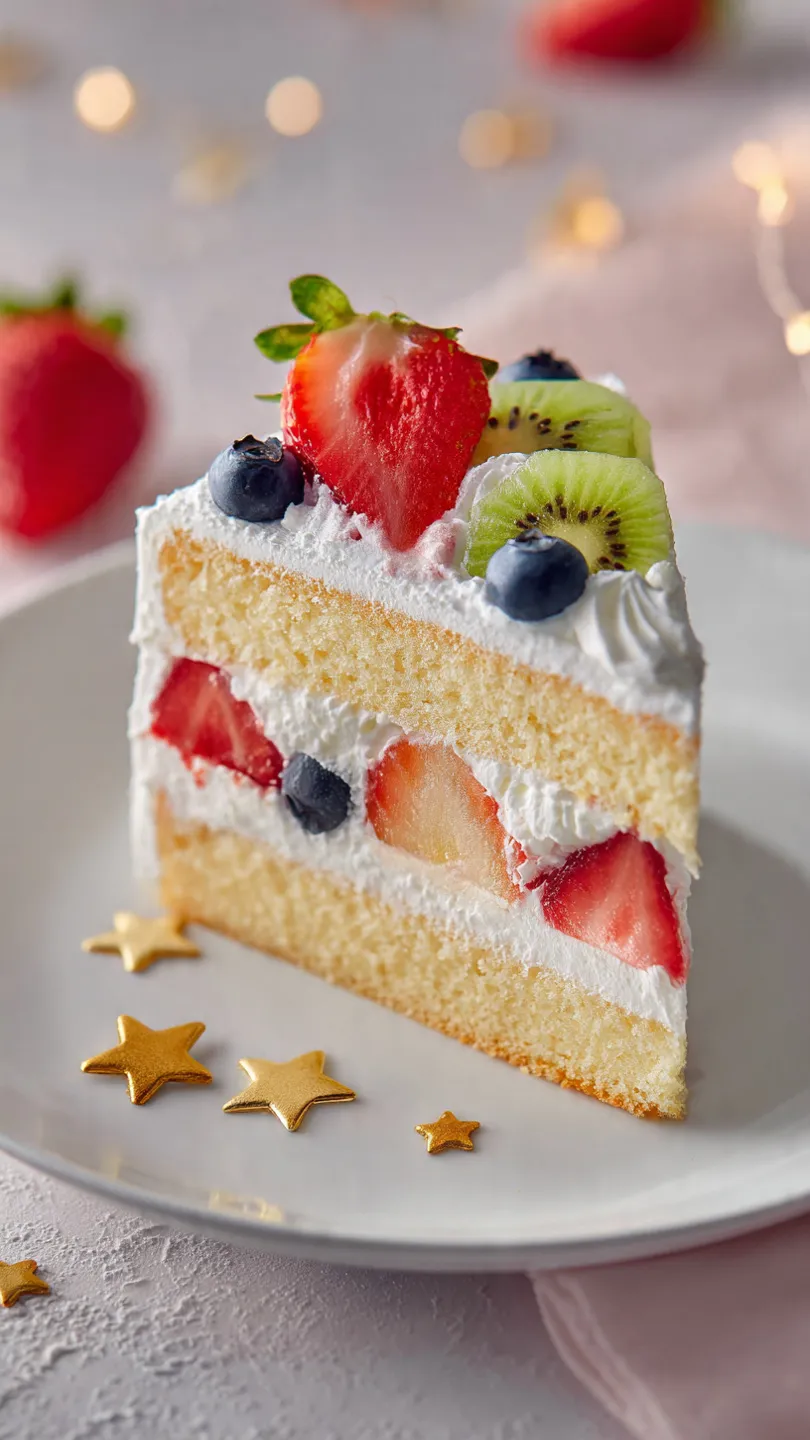
Table of Contents
What Makes This Fruit Cream Cake Different
Most homemade fruit cream cake recipes fail for one simple reason: the baker doesn’t understand the foundation.
The structure matters far more than the decoration. When I started developing this recipe, I focused on two critical elements that separate a professional-looking cake from one that disappoints.
First, the sponge base needs to be light enough to complement the cream without becoming dense or heavy. Second, the whipped cream must stay stable through assembly, refrigeration, and serving. That’s what makes this fruit cream cake recipe stand apart from countless others you’ll find online.
The Light Sponge Base That Holds Everything Together
The sponge layers form the backbone of your fruit cream cake. I’ve learned through countless bakes that you need a structure that’s sturdy enough to support layers of cream and fresh fruit without collapsing, yet tender enough that each bite melts on your tongue.
This particular sponge uses a simple creaming method combined with separated eggs. The whites get whipped into stiff peaks, which creates lift and airiness throughout the cake.
When you fold these peaks gently into the batter, you’re essentially trapping hundreds of tiny air bubbles that expand during baking. The result? Layers that are airy, moist, and strong enough to hold generous amounts of fruit cream filling without crumbling.
Many bakers rush through cooling, but patience here pays dividends. A properly cooled sponge handles frosting and fruit better than one that’s still warm.
I typically let my layers rest for at least two hours before assembly, which gives the crumb structure time to set completely. This is the foundation that makes a fresh fruit cream cake recipe work beautifully every single time.
Why Stabilized Whipped Cream Is the Secret
Here’s the truth about regular whipped cream: it starts breaking down the moment you whip it. The fat globules separate, the foam deflates, and within hours you’re left with something that looks tired and sad.
That’s why stabilized whipped cream transforms a fruit cream cake into something truly special. The stabilization works by adding a small amount of cream cheese or gelatin to the whipped cream, which prevents the fat molecules from over-whipping and keeps everything fluffy and firm.
I prefer the cream cheese method because it adds subtle tang and keeps the cream stable for up to three days. When you assemble your fruit cream cake with this stabilized cream, you’re not just creating a beautiful dessert – you’re creating one that stays beautiful.
The cream won’t weep into the sponge (that watery separation that ruins cakes), fruit juices won’t cause the whole structure to wobble, and you can refrigerate the cake without worrying about collapse.
This technique separates home bakers from those who struggle, and honestly, it’s not complicated once you understand the science behind it.
Pro Tip for Fruit Cream Cake Success
Temperature control matters tremendously when you’re working with whipped cream. Keep your mixing bowl and beaters cold by refrigerating them for 15 minutes before whipping. Cold equipment whips cream faster and creates denser, more stable peaks that hold their shape better throughout assembly and serving. This simple step prevents cream weeping entirely.
When you understand these two foundational elements – the light yet sturdy sponge and the stabilized whipped cream – you’ve already won half the battle.
Many home bakers don’t realize that assembling a fruit cream cake is actually easier than decorating traditional frosted cakes because the cream doesn’t need piping skills or specific tools. The fresh fruit does most of the visual work for you.
This is why decorated celebration cakes often use this exact method – it’s foolproof and stunning. You can create something that looks like it came from a professional bakery, and the best part? This fresh fruit cream cake recipe stays perfect for days, unlike regular whipped cream cakes that deteriorate quickly.
Whether you’re making this for a special holiday celebration or an everyday moment, this fruit cream cake earns raves every single time.
| Component | Why It Matters | Key Benefit |
|---|---|---|
| Light Sponge Layers | Provides structure to support weight of stabilized cream and fresh fruit | Sturdy yet incredibly tender texture |
| Stabilized Whipped Cream | Prevents deflation, separation, and weeping during assembly | Lasts 3+ days refrigerated without collapsing |
| Fresh Seasonal Fruit | Provides natural sweetness, moisture, and vibrant color | No artificial flavors needed – pure fruit taste |
Ingredients for the Best Fruit Cream Cake
Building a fruit cream cake starts long before you step into the kitchen. The ingredients you choose determine whether your cake becomes a masterpiece or a disappointment.
I’ve learned through years of recipe development that sourcing the right components transforms this fruit cream cake recipe from ordinary to extraordinary. Each ingredient plays a specific role – the flour creates structure, the eggs bind everything together, but it’s the whipped cream and fresh fruit that truly define the final result.
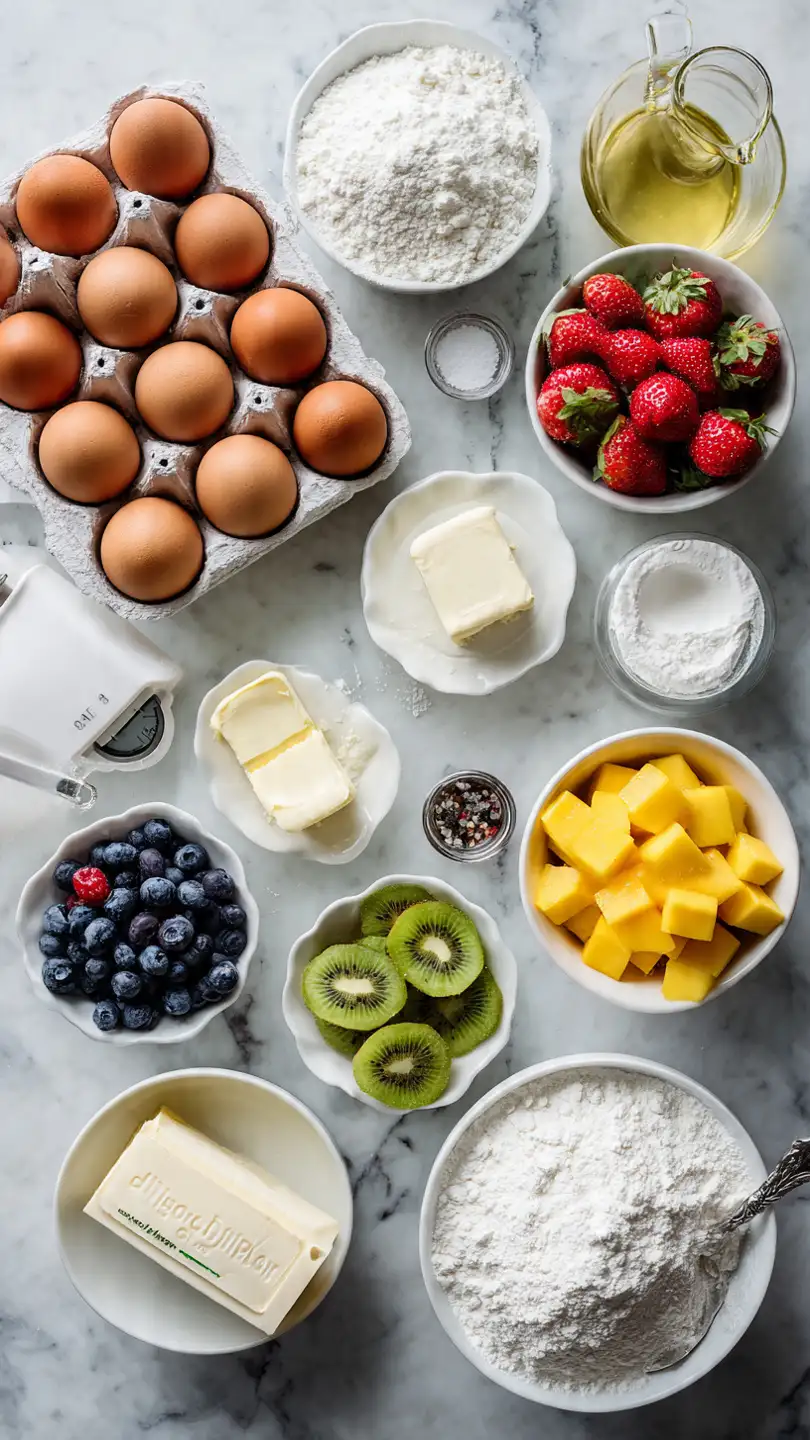
Let me walk you through exactly what you need and why each element matters so much.
Choosing the Right Fruits and Why They Matter
The fruit in your fruit cream cake isn’t just decoration – it’s a key component that affects flavor, moisture, and even structural integrity.
When I select fruit for this fresh fruit cream cake recipe, I consider three crucial factors: ripeness, water content, and color harmony. Fresh fruit releases natural juices as it sits, and these juices can seep into the sponge and stabilized whipped cream if you’re not careful.
That’s why timing matters tremendously. I recommend adding fruit to your fruit cream cake assembly no more than 4 hours before serving, though with stabilized cream the cake holds up far better than traditional versions.
Berries like strawberries and blueberries contain high water content, so pat them dry with paper towels before using. The extra minute spent drying fruit prevents the “weeping” that ruins less stable cream cakes.
Firmer fruits like kiwi, mango, and pineapple release less moisture, making them excellent choices for fruit cream cake recipes that need to last multiple days in the refrigerator. I always recommend buying fruit at peak season from farmers markets rather than supermarkets – the flavor difference is remarkable, and peak-season fruit naturally contains less water.
| Fruit Type | Water Content | Storage Tips |
|---|---|---|
| Strawberries | High (91%) | Room temp for 2 hours, then refrigerate |
| Blueberries | Medium (84%) | Whole berries hold 3 days refrigerated |
| Kiwi | Low (83%) | Prepare max 2 hours before assembly |
| Mango | Low (83%) | Peel and slice just before use |
| Blackberries | Medium (86%) | Add within 4 hours of assembly |
I’ve learned through testing that frozen fruit doesn’t work well for decorating the top of your fruit cream cake – it thaws and becomes mushy.
However, frozen berries can be gently thawed and added to the cream layers between the sponge and top decoration. This is an excellent money-saving technique when fresh fruit costs too much or isn’t in season. The flavor remains bright, and nobody can tell the difference once it’s layered inside the cake.
Fruit Selection Strategy for Your Cream Cake
Always buy fruit 1-2 days before baking. This gives berries time to develop peak flavor, yet they remain firm enough for decoration. Avoid fruit that’s already starting to soften, as it will deteriorate further during assembly and storage. For a fruit cream cake recipe, slightly underripe is better than overripe.
The visual presentation matters too. Choose fruits with contrasting colors – reds, yellows, greens, and purples create an Instagram-worthy fruit cream cake that guests absolutely adore.
A monochromatic cake (all strawberries, for example) looks less impressive than one with varied hues. I always arrange fruit in a spiral pattern starting from the outside edge, working toward the center.
This technique creates visual flow that makes the final fruit cream cake recipe look professionally decorated even if you’re decorating it for the first time.
How to Stabilize Whipped Cream Without Gelatin
This is where your fruit cream cake recipe truly becomes foolproof. Stabilized whipped cream separates amateur bakers from professionals, yet most home cooks never learn this technique.
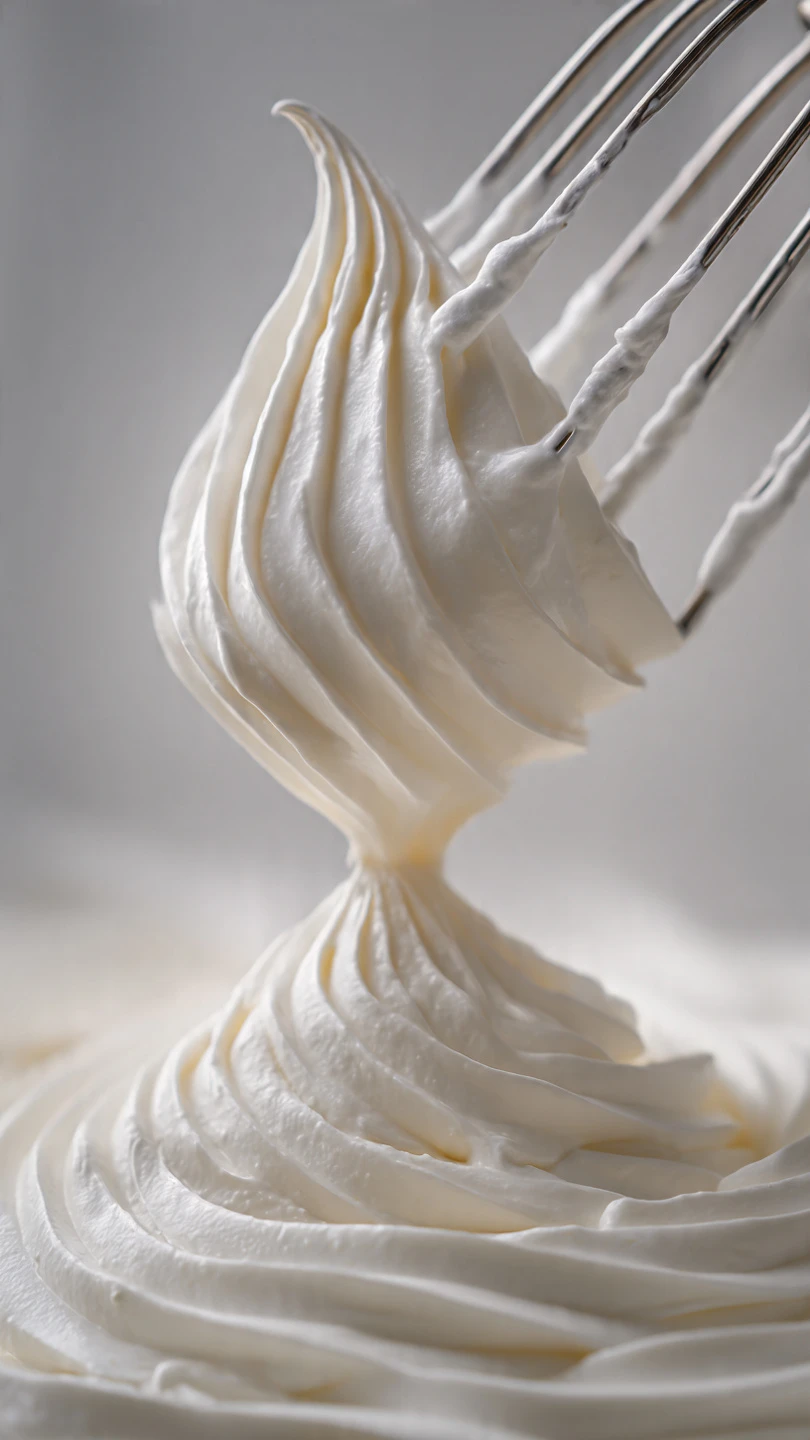
Regular whipped cream can hold its shape for maybe 2 hours before starting to break down and weep – that watery liquid seeping from the bottom. Stabilized whipped cream stays fluffy, firm, and beautiful for up to three days, which completely changes what you can accomplish with a fruit cream cake recipe.
I use the cream cheese method rather than gelatin because I love the subtle tang it adds and because it’s foolproof – no risk of lumps, no precise temperature control required.
The science is straightforward: cream cheese contains stable fat molecules that prevent the milk fat in whipped cream from separating. When you whip heavy cream alone, you’re breaking down the fat globule membrane. With cream cheese stabilizer included, those membranes stay intact much longer.
Here’s the basic formula for stabilized cream that works beautifully with this fresh fruit cream cake recipe: combine 2 ounces of softened cream cheese with 2 tablespoons powdered sugar.
Beat these together until completely smooth – this is crucial, any lumps will ruin your texture. Then add 1 cup of heavy whipping cream that’s been chilled for at least 15 minutes. Whip until stiff peaks form.
The resulting cream will hold its shape for three days in the refrigerator, which gives you incredible flexibility when planning a celebration dessert or simply making an impressive homemade fruit cream cake.
Temperature control makes an enormous difference. Before you even start whipping, place your mixing bowl and beaters in the freezer for 15 minutes. Cold equipment whips cream faster and creates better texture.
The mixture should be whipped quickly – about 3-4 minutes – until stiff peaks form. Over-whipping causes butter to separate, which is the enemy of a beautiful fruit cream cake recipe. You want the cream smooth and glossy, not grainy or separated.
The cream cheese adds tanginess that perfectly balances sweet berries. If you prefer vanilla flavoring, add ½ teaspoon of vanilla extract to the cream cheese before beating.
Some bakers prefer almond extract for a different twist. The beauty of this cream cake method is flexibility – you can adapt the flavoring without compromising stability, which is impossible with regular whipped cream.
| Stabilizer Method | Stability Duration | Flavor Impact |
|---|---|---|
| Cream Cheese | 3+ days | Adds subtle tang (positive) |
| Gelatin | 3+ days | Neutral flavor |
| Cornstarch | 2 days | Can taste slightly grainy |
| No Stabilizer | 2 hours | Pure cream flavor |
Essential Equipment for Making This Fruit Cream Cake Recipe

Electric Hand Mixer
A reliable hand mixer whips cream and eggs faster than by hand. Look for one with multiple speed settings. This makes stabilized whipped cream for your fruit cream cake recipe quick and effortless, and your arm won’t get tired from manual whisking.
View on Amazon →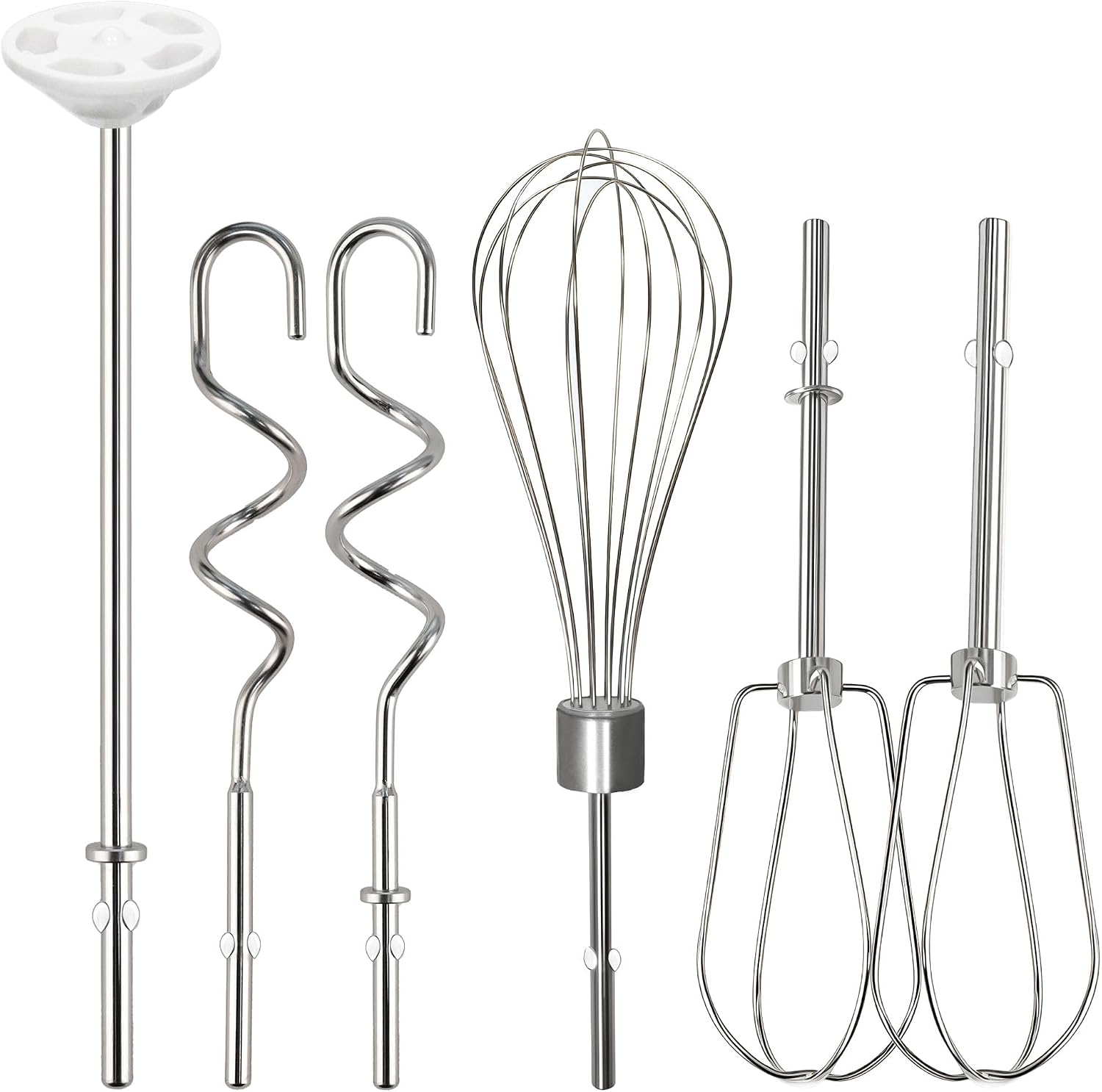
Cake Round Pans Set
Quality cake pans ensure even baking and professional results. Two 8-inch or 9-inch pans create perfect sponge layers for your fruit cream cake recipe. Invest in pans with good heat distribution to avoid burned edges and raw centers.
View on Amazon →
Cake Decorating Turntable
A rotating turntable makes assembly and decoration infinitely easier. You can spin the cake while placing fruit and arranging stabilized whipped cream. This single tool transforms your fruit cream cake recipe from good to gallery-worthy.
View on Amazon →When you assemble your fruit cream cake recipe, the right tools matter tremendously. Quality equipment isn’t just about convenience – it directly affects the final result.
A turntable gives you control over placement, quality cake pans ensure even baking, and an electric mixer saves time while creating better cream texture through consistent whipping speed.
Pro Tips for Ingredient Preparation
- Room Temperature Eggs: Bring eggs to room temperature 30 minutes before baking. Cold eggs don’t incorporate as smoothly, affecting cake texture and rise. This matters for your sponge layers that support the fruit cream cake structure.
- Sifted Flour: Sift flour before measuring to remove lumps and incorporate air. This lightens the crumb, making room for more cream without denseness in your fruit cream cake recipe.
- Fresh Cream: Always use heavy whipping cream, never whipped cream that’s already stabilized. You need to start from scratch to control the stabilization process perfectly.
- Quality Fruit: Farmers market fruit tastes dramatically better than supermarket fruit. Spend the extra money for peak-season berries – the flavor difference transforms your entire fruit cream cake recipe.
How to Make Fruit Cream Cake Step by Step
The moment you’ve been waiting for has arrived – it’s time to build your fruit cream cake.
This is where all the preparation pays off, and I’m genuinely excited to walk you through each step. Making this fruit cream cake recipe looks intimidating, but I promise it’s far simpler than you’d expect.
The beauty of this method is that you prepare everything separately, then combine it all at the end. Nothing happens simultaneously, which removes the stress most bakers feel. Let’s transform those ingredients into something spectacular.
Baking and Cooling the Sponge Layers
The sponge foundation determines whether your entire fruit cream cake succeeds or fails. I cannot stress this enough – the quality of your sponge layers directly affects how well the cream and fruit stay in place.
Here’s exactly how I bake perfect layers that hold their shape beautifully.
Start by preheating your oven to 350°F (175°C). Line your cake pans with parchment paper on the bottom and lightly grease the sides. This prevents sticking and makes unmolding incredibly easy.
Combine your dry ingredients (flour, baking powder, salt) and set them aside. In a separate bowl, beat softened butter and sugar together until light and fluffy – this takes about 3 minutes with an electric mixer.
The mixture should look pale and airy, almost like clouds. Add eggs one at a time, beating well after each addition. Each egg needs full incorporation before adding the next one, which ensures even texture throughout your sponge.
Alternate adding the dry ingredients and milk mixture to your butter mixture, starting and ending with dry ingredients. This technique prevents over-mixing, which keeps your fruit cream cake tender rather than tough.
Mix just until combined – don’t over-beat. Pour the batter evenly between your prepared pans. Use an offset spatula to smooth the tops.
Bake for 25-30 minutes until a toothpick inserted in the center comes out with just a few moist crumbs. The cake should pull away slightly from the pan edges.
Here’s where patience becomes critical: let the sponge cool completely. Remove cakes from pans after 10 minutes and place them on cooling racks.
Never assemble your fruit cream cake with warm layers – the warmth melts your stabilized whipped cream and causes the whole structure to become unstable. I typically let layers cool for a full two hours at room temperature, then wrap them in plastic wrap and refrigerate for at least one hour before assembly.
Cold sponge handles cream and fruit far better than room-temperature cake.
| Sponge Baking Guide | Action | Why It Matters |
|---|---|---|
| Oven Temperature | Preheat to 350°F exactly | Too hot burns edges; too cool dries cake out |
| Pan Preparation | Parchment + light grease | Prevents sticking without affecting crust quality |
| Bake Time | 25-30 minutes | Depends on pan thickness and oven accuracy |
| Cooling Duration | 2 hours room temp + 1 hour fridge | Cold sponge supports cream and fruit better |
Temperature Matters for Your Fruit Cream Cake Recipe
Use an oven thermometer to verify your temperature. Many home ovens run 25°F hotter or cooler than displayed. Accurate temperature ensures even baking and prevents the dry, crumbly texture that ruins a beautiful fruit cream cake assembly.
Assembling and Decorating With Fresh Fruit
This is where your fruit cream cake transforms from individual components into something genuinely impressive. I recommend assembling within 4 hours of serving to keep everything fresh and stable.
Work on a stable cake turntable if you have one – it makes the entire process easier and gives better results.
Start by preparing your stabilized whipped cream exactly as I described in Part 2. Beat the cold cream cheese with powdered sugar until smooth, then add chilled heavy cream and whip to stiff peaks.
The cream should look thick, glossy, and hold peaks when you lift the beaters. Set aside one-third of this cream for piping (optional), but most will go between layers and on top.
Place your first cooled sponge layer on your cake plate or turntable. Spread a thin layer of stabilized whipped cream across the top – about ¼ inch thickness. This becomes the “glue” that holds fruit in place.
Arrange your first layer of fresh fruit on this cream, leaving a ½-inch border around the edge. This prevents fruit from squishing out the sides during assembly.
Add another thin layer of cream over the fruit. Place your second sponge layer on top, pressing gently to set it in place.
Now coat the entire cake (top and sides) with remaining stabilized cream. Use an offset spatula or butter knife to create smooth, even coverage.
This cake doesn’t require perfect frosting – it’s actually more beautiful with slightly rustic, natural-looking cream. Arrange your best-looking fresh fruit pieces on top in whatever pattern makes you happy.
I typically create a spiral starting from the outer edge and working toward the center, but you can also create concentric circles, stripes, or random placement. The fruit is so beautiful that almost any arrangement looks stunning.
If you’d like, use a piping bag with a large star tip to add small cream rosettes between fruit pieces. These add height and professional appearance to your fruit cream cake, though they’re entirely optional.
Some of my favorite versions skip piping and let the fresh fruit be the only decoration.
| Assembly Step | Time Required | Pro Tip |
|---|---|---|
| Prepare stabilized cream | 5 minutes | Use cold equipment for best results |
| Layer 1: Sponge + cream + fruit | 10 minutes | Arrange fruit in pleasing pattern |
| Layer 2: Sponge placement | 2 minutes | Press gently – no squishing |
| Coat all sides with cream | 10 minutes | Offset spatula works best |
| Final fruit decoration | 10 minutes | Save best-looking pieces for top |
Store your finished fruit cream cake in the refrigerator for up to three days. The stabilized whipped cream means the cake stays firm and beautiful throughout storage – this is your major advantage over traditional whipped cream cakes.
Unlike less stable versions, this fruit cream cake recipe doesn’t require serving immediately or worrying about collapse.
Troubleshooting Your Fruit Cream Cake Assembly
- Cream looks watery or separated: You’ve over-whipped it. This happens when you use warm equipment or beat too long. Start fresh with cold equipment and watch carefully – you want stiff peaks, not butter. Prevention is easier than fixing.
- Fruit juices pooling on top: Your fruit was too wet or you assembled too far ahead. Pat fruit dry with paper towels and assemble within 4 hours. The stabilized cream will still hold, but liquid can accumulate if fruit sits too long.
- Cake feels squishy or unstable: Either your sponge wasn’t fully cooled or you used too much cream between layers. Cold sponge + moderation with cream = structural integrity. A thin layer of cream suffices to hold fruit in place.
- Fruit sliding off during serving: Cut into the fruit cream cake slowly with a very sharp, cold knife. Dip the knife in hot water and wipe dry between cuts. This prevents smudging and keeps fruit in place as you slice.

Fruit Cream Cake

Equipment
- Two 8-inch round cake pans
- Electric mixer
- Mixing bowls (3)
- Cake turntable
- Offset spatula
- Sharp serrated knife
- Parchment Paper
- Cooling racks
Ingredients
Sponge Cake Layers
- 2 cups all-purpose flour sifted
- 2.5 tsp baking powder
- 0.5 tsp salt
- 0.5 cup unsalted butter softened (115g)
- 0.75 cup granulated sugar
- 3 large eggs room temperature
- 1 tsp vanilla extract
- 0.75 cup whole milk room temperature
Stabilized Whipped Cream
- 2 oz cream cheese softened
- 2 tbsp powdered sugar
- 1 cup heavy whipping cream chilled
- 0.5 tsp vanilla extract optional
Fresh Fruit Assembly
- 2 cups strawberries sliced and patted dry
- 1 cup blueberries whole and patted dry
- 1 kiwi peeled and sliced
- 0.5 cup mango diced (70g)
- optional fresh mint leaves for garnish
Instructions
- Preheat oven to 350°F (175°C). Line two 8-inch round cake pans with parchment paper and lightly grease the sides. This prevents the fruit cream cake from sticking while baking.
- Whisk together flour, baking powder, and salt. Set aside. These form the base structure for your sturdy fruit cream cake layers.
- Using an electric mixer, beat softened butter with sugar for 3 minutes until light, fluffy, and pale. This aeration creates the tender crumb that makes this fruit cream cake so enjoyable.
- Add eggs one at a time, beating well after each addition. Add vanilla extract. This ensures even texture throughout your sponge base.
- Starting with dry ingredients, alternate adding flour mixture and milk to the butter mixture in this order: dry-wet-dry-wet-dry. Mix just until combined to avoid over-mixing which toughens the cake.
- Pour batter evenly between prepared pans. Smooth tops with an offset spatula.
- Bake for 25-30 minutes until a toothpick inserted in the center comes out with a few moist crumbs. The edges should pull slightly from the pan.
- Let cakes cool in pans for 10 minutes. Turn out onto cooling racks and cool completely for at least 2 hours. This cooling is essential – warm sponge compromises your fruit cream cake assembly.
- Wrap cooled layers in plastic wrap and refrigerate for 1 hour minimum. Cold sponge provides better structural support for cream and fruit.
- Beat softened cream cheese with powdered sugar until completely smooth with no lumps. Add chilled heavy cream and vanilla extract (if using). Whip until stiff peaks form. This stabilized cream is what makes your fruit cream cake stay perfect for days.
- Pat berries dry with paper towels. Slice strawberries and kiwi. Prepare fruit as close to assembly time as possible.
- Place first cooled sponge on your cake plate or turntable. Spread a thin layer (about ¼ inch) of stabilized cream across the top.
- Arrange half of your fresh fruit on the cream, leaving a ½-inch border around the edge. This prevents fruit from squishing out the sides during assembly.
- Spread another thin layer of stabilized cream over fruit. This acts as glue for your fruit cream cake assembly.
- Place second sponge layer on top. Press gently to set in place. Avoid squishing – you want structural integrity.
- Using an offset spatula or butter knife, coat entire cake (top and sides) with remaining stabilized cream. Create smooth, even coverage. Rustic appearance actually looks more beautiful than perfectly smooth.
- Arrange your best fresh fruit pieces on top in whatever pattern pleases you. Spiral, circles, or random placement all look stunning. Optional: Use piping bag with star tip to add cream rosettes between fruit pieces.
- Refrigerate finished fruit cream cake for at least 30 minutes before serving. This allows cream to set completely and ensures clean slices.
- Use a sharp, cold knife to slice. Dip knife in hot water and wipe dry between cuts. This prevents smudging and keeps fruit in place on your beautiful fruit cream cake.
Notes
Your fruit cream cake is now ready to serve. When you slice into it and see those beautiful layers – the tender sponge, the fluffy stabilized cream, and the jewel-toned fruit – you’ll understand why this recipe is worth every minute of effort.
This fruit cream cake recipe absolutely delivers on both beauty and flavor, which is exactly what you want when you’re putting in this kind of work.
The technique you’ve just learned works for any fresh fruit combination. Tropical mix? Absolutely. Winter berries? Perfect. Seasonal fruit combinations make this fruit cream cake recipe feel fresh and current year-round.
Once you’ve mastered this method, you’ll find yourself making it again and again.
Fruit Combinations That Work Best for This Cake
One of my favorite things about this fruit cream cake recipe is its flexibility. You’re not locked into specific fruit – you can adapt based on season, budget, and personal preference.
I’ve developed several combinations that work beautifully, and I’m sharing my tried-and-tested options with you. These aren’t random pairings; each combines flavors that naturally complement each other while considering texture, water content, and visual appeal.
Whether you’re making this fruit cream cake for summer entertaining or winter celebrations, you’ll find something that works perfectly.
Classic Mix — Strawberry, Kiwi, Mango and Blueberry
This combination is my go-to for good reason. It balances flavors (sweet strawberries, tangy kiwi, tropical mango, subtle blueberries), offers visual drama (red, green, yellow, and purple), and works throughout the year since most of these fruits are available year-round.
The mixture creates a sophisticated, restaurant-quality appearance without requiring artistic skill. When I’m making this fruit cream cake for important occasions, this is my color combination choice.
Use about two cups of sliced strawberries, one cup whole blueberries, one peeled and sliced kiwi, and one-half cup diced mango. The proportions matter because you need visual balance.
Too many strawberries overwhelm the other colors. Too few blueberries disappear into the design. The combination I’ve suggested creates pockets of each color that look intentional rather than random.
The flavor profile works equally well. Sweet strawberries are classic, but they can become one-note. Blueberries add subtle tartness. Kiwi contributes brightness and a slight tang. Mango brings tropical warmth.
Together, they create complexity that makes people say “wow, this is incredible” – even though you’re using simple ingredients. This fruit cream cake combination is sophisticated without being complicated.
| Fruit Variety | Amount for 8-10 Slices | Prep Method |
|---|---|---|
| Strawberries | 2 cups sliced | Hull, slice lengthwise, pat dry |
| Blueberries | 1 cup whole | Rinse gently, pat dry completely |
| Kiwi | 1 fruit, sliced | Peel, slice thin, prepare just before use |
| Mango | ½ fruit, diced | Peel, cut into small cubes, pat dry |
This classic combination stores beautifully for the full three days because none of these fruits release excessive liquid when properly dried first. I’ve served this fruit cream cake hours after assembly, and the presentation remains flawless. That’s what makes this particular pairing so reliable for the stabilized whipped cream method.
Seasonal and Budget-Friendly Swaps
Fresh fruit prices fluctuate dramatically throughout the year, and sometimes specific varieties simply aren’t available. That’s exactly why I’ve developed alternative combinations for this fruit cream cake recipe. These swaps maintain the same quality and appearance while adapting to what’s available in your area.
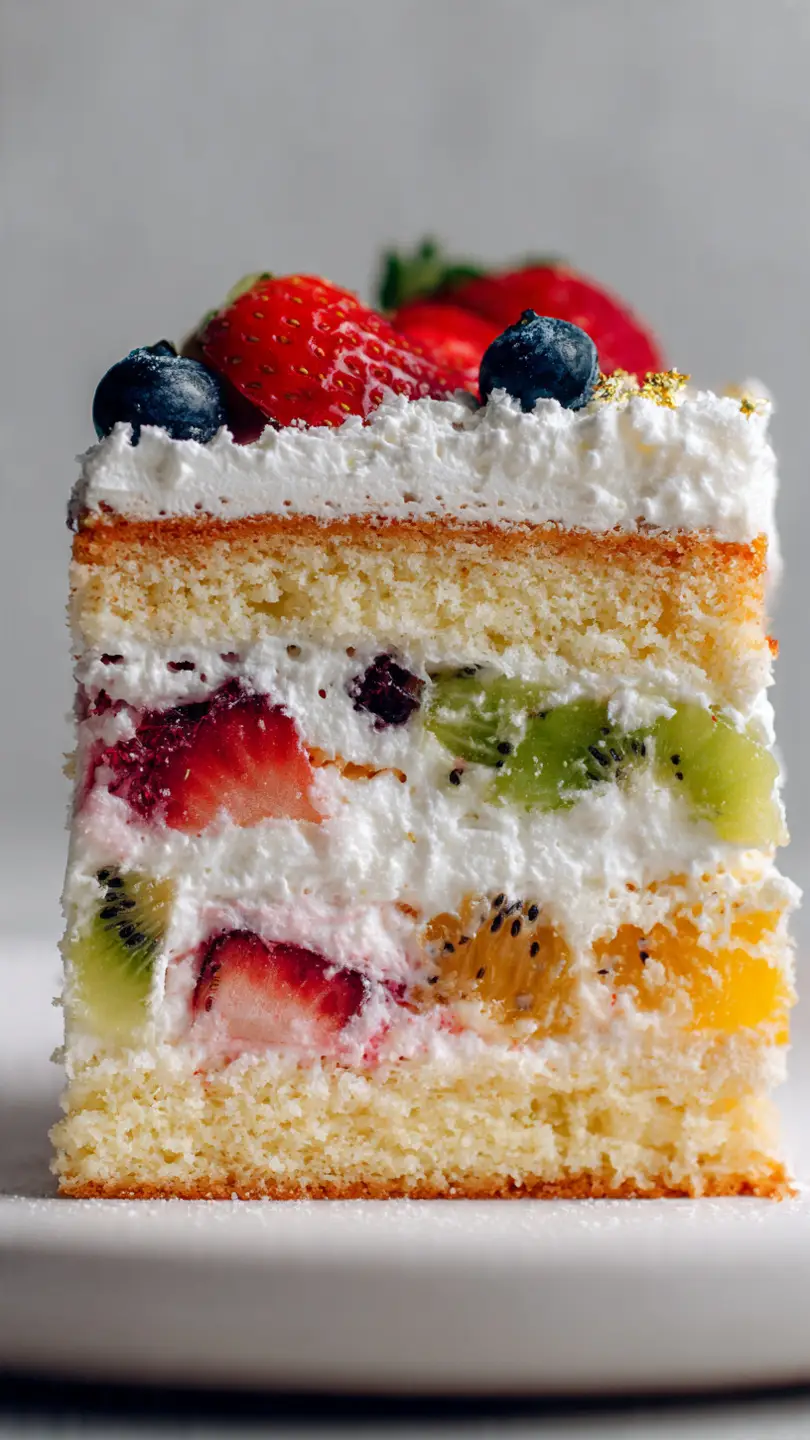
Spring Version: Replace mango with fresh raspberries and kiwi with pineapple. Spring berries are typically affordable and beautiful. Raspberries are more delicate than strawberries, so handle them gently when decorating. This fruit cream cake feels fresh and light – perfect for spring entertaining.
Summer Peak Season: When berries are at their lowest price point, go all-berry: strawberries, blueberries, raspberries, and blackberries. No other fruit needed. This monochromatic berry blend looks dramatic and tastes incredible. Summer is when I make this fruit cream cake most frequently because berry quality is exceptional and prices are lowest.
Fall Transition: Move toward firmer fruits as tender berries disappear. Combine strawberries (often still available), blueberries, sliced peaches, and diced apple. Add a tiny pinch of cinnamon to the stabilized cream for seasonal warmth. This fruit cream cake feels cozy without being heavy.
Winter Economy Option: Use what’s available and affordable: pomegranate arils, kiwi (stores longer), pineapple (frozen works if thawed gently), and blueberries. Add them to this fruit cream cake and top with candied citrus peel or pistachios for winter elegance. This version costs significantly less than summer but looks equally impressive.
Budget Hack for Your Fruit Cream Cake
Make this fruit cream cake immediately after farmers markets close on Saturday afternoons. Vendors often discount remaining fruit heavily rather than transport it home. I’ve purchased premium fruit at 50% off, allowing me to use varieties I normally couldn’t afford. This fruit cream cake becomes luxurious on a modest budget.
The secret to successful swaps is understanding water content and firmness. High-water fruits like fresh pineapple should be used within two hours of assembly. Lower-water fruits like berries can sit for the full four hours before serving. Choosing swaps based on these characteristics keeps your fruit cream cake structurally sound regardless of which fruits you select. Alternative dessert bases like cookie-based cakes offer different approaches, but this stabilized cream method adapts beautifully to any fresh fruit you choose.
| Season | Best Fruit Combination | Shelf Stability |
|---|---|---|
| Spring | Raspberries, strawberries, pineapple | 3-4 hours before liquid release |
| Summer | Mixed berries (all types) | 4 hours – very stable |
| Fall | Strawberries, blueberries, peaches, apples | 3-4 hours with cinnamon cream |
| Winter | Pomegranate, kiwi, blueberries, citrus peel | 4 hours – very stable |
Once you understand these principles, you can create your own fruit cream cake combinations based on availability. Visit your farmers market, see what’s beautiful and affordable, then build around those options. This flexibility makes this fruit cream cake recipe infinitely adaptable to your life and budget throughout the year.
FAQs
What is the name of the cake with layers of fruit and cream?
This style of cake is called a fruit cream cake (or layer cake with cream filling). It’s also sometimes called a sponge cake with whipped cream and fresh fruit, or a berry cream cake when berries are used. The defining characteristic is the combination of light cake layers with whipped cream and fresh fruit – making this fruit cream cake recipe instantly recognizable. Different cultures have their own names for it: it’s close to a fraisier in French patisserie, though slightly less formal.
Which cake is best for diabetics?
This fruit cream cake recipe can be adapted for diabetic-friendly preparation. Substitute sugar-free powdered sugar in both the sponge and the stabilized whipped cream. Use a sugar substitute like erythritol or stevia in the sponge batter (note: these require volume adjustments since they’re sweeter than sugar). The fresh fruit naturally provides sweetness without added sugar. The stabilized cream structure remains unchanged, so you’re not sacrificing quality or stability. The result is a fruit cream cake that’s suitable for diabetic diets while maintaining full flavor and texture.
What was Winston Churchill’s favorite cake?
Winston Churchill famously loved a Victoria sponge cake – a simple sponge layer cake with jam and cream between layers. While not exactly a fruit cream cake, the Victoria sponge shares the same light sponge foundation and cream filling concept. Churchill appreciated traditional British baking with quality ingredients simply prepared. Our fruit cream cake recipe actually represents a modern interpretation of that same philosophy: light sponge, fresh whipped cream, and simple quality ingredients creating something greater than the sum of its parts.
What is the 1234 cake rule?
The 1234 cake rule is a beginner-friendly formula for sponge cakes: 1 cup butter, 2 cups sugar, 3 cups flour, and 4 eggs. This creates a basic sponge that’s forgiving and reliable. Our fruit cream cake recipe uses proportions close to this (scaled for our pan size), which is exactly why it produces such consistent, beautiful results. The 1234 rule represents cake-making simplified – easy to remember, easy to execute, and produces reliable outcomes. Understanding this rule helps you create variations and adapt recipes based on how many people you’re feeding.
More Recipes You May Like
Now that you’ve mastered this fruit cream cake, explore related desserts that share similar techniques or ingredients: