
Beef bouillon saved dinner more times than I can count. One freezing night, my friend Olivia showed up starving, and my fridge was nearly empty. So I dropped a beef bouillon cube into hot water, stirred in leftover noodles, and watched a sad bowl turn into something cozy. She asked for seconds. That little moment is exactly why I keep beef bouillon in my pantry, and why I think you should too. Today, let’s talk about what it really is, the forms it comes in, and how it makes everyday cooking taste deeper.
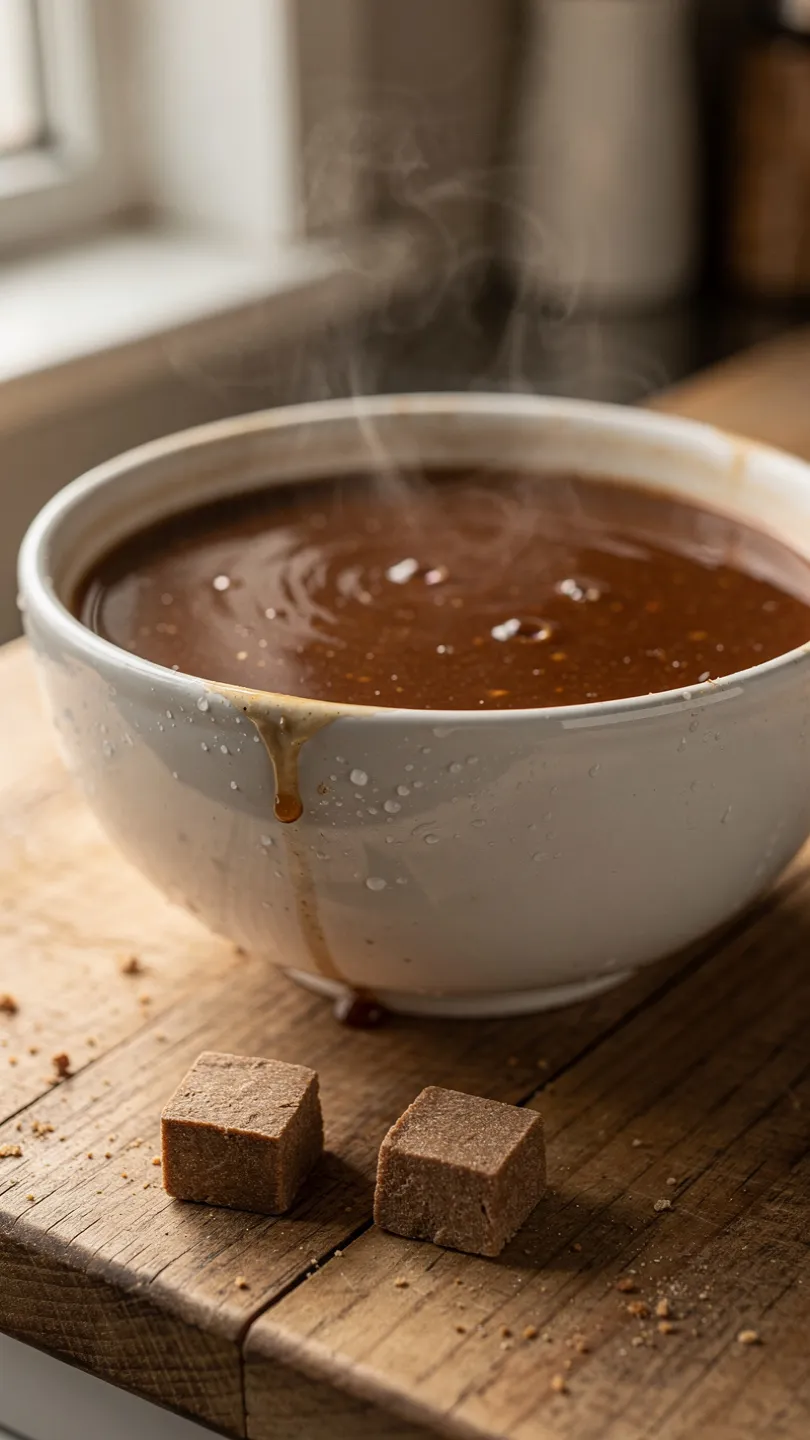
Table of Contents
Beef Bouillon Explained: What It Really Is
So what are we actually working with here? At its core, beef bouillon is concentrated beef flavor in a shelf-stable form. Think of it as broth that’s been simmered down, seasoned, and dried so the savory taste stays ready whenever you need it. You add water, and suddenly you’ve got a warm, beefy base for soups, gravies, and rice.
Honestly, that convenience is the whole point. While homemade stock takes hours, beef bouillon delivers similar depth in seconds. Because of that, busy cooks reach for it constantly. Plus, it stores for months, so you always have backup flavor on hand. I treat mine the same way I treat my chicken bouillon stash, as a reliable shortcut that never lets the meal down.
What Exactly Is Beef Bouillon?
Let’s get specific. Beef bouillon is a savory mix built from beef stock or beef extract, salt, and seasonings. Manufacturers cook the liquid down, then dehydrate it into a cube, powder, or paste. As a result, one small spoonful carries a lot of flavor.
Here’s what usually goes inside:
- Beef stock or extract for that rich, meaty backbone.
- Salt, which sharpens flavor and helps preserve the product.
- Onion and garlic for an aromatic, savory edge.
- Herbs and spices like parsley, celery, and pepper.
- Natural flavorings that round everything out.
Therefore, when you dissolve it in water, you basically rebuild a quick broth. If you want to make the dried version yourself, our full beef bouillon powder recipe walks you through it step by step. The flavor leans deep and slightly salty, so a little goes a long way.
ong way.
Cubes, Powder, and Paste: The Three Forms
Now for the fun part. Beef bouillon shows up in three main forms, and each one fits a different cooking style. Below is a quick guide so you can pick the right one fast.
| Form | Best For | How to Use |
|---|---|---|
| Cube | Quick single servings, soups | Drop into hot water and stir until dissolved |
| Powder | Seasoning rubs, sprinkling into dishes | Measure by the spoon, mix directly into food |
| Paste | Concentrated flavor, gravies, sauces | Scoop a teaspoon, whisk into warm liquid |
Cubes win on portability, so they’re great for camping or fast lunches. Powder, meanwhile, blends smoothly and works wonderfully as a seasoning. Paste packs the strongest punch, since it stays moist and dissolves cleanly. Personally, I keep all three, because each one shines in different recipes. Whichever you choose, the beef flavor stays the star.
Beef Bouillon vs Broth, Stock, and Base
Here’s where people get confused, and honestly, it’s easy to see why. Beef bouillon, broth, stock, and base all promise beefy flavor, yet they’re not the same thing. So let’s clear it up once and for all. Once you understand the differences, you’ll grab the right one every single time.
The short version comes down to water content and concentration. Broth and stock stay liquid, while bouillon and base get cooked down into a concentrate. Because of that, bouillon stores longer and takes up less room. This table breaks it down quickly:
| Type | Form | Concentration | Shelf Life |
|---|---|---|---|
| Beef Bouillon | Cube, powder, paste | Very concentrated | Months |
| Beef Broth | Liquid | Light, ready to sip | Days (fridge) |
| Beef Stock | Liquid | Richer, made with bones | Days (fridge) |
| Beef Base | Thick paste | Most concentrated | Months |
Beef Bouillon vs Beef Broth
Let’s start with the most common mix-up. Beef broth is a thin, seasoned liquid you can drink straight from the mug. Beef bouillon, on the other hand, is that same idea reduced and dried into a concentrate. So you could say bouillon is broth with the water removed.
This matters in the kitchen. When a recipe calls for broth, you can dissolve beef bouillon in water and get a close match. Meanwhile, broth works best when you want gentle, ready-to-use flavor. Both taste beefy, yet bouillon gives you more control over strength. I lean on bouillon for quick soups, much like I rely on chicken broth bouillon cubes when time is tight.
My Quick Swap
Need broth but only have bouillon? Dissolve one cube or one teaspoon of paste in one cup of hot water. Stir well, and you’ve got an instant broth replacement for any recipe.
Is Beef Bouillon the Same as a Stock Cube?
Great question, and the answer is almost. A stock cube and a beef bouillon cube look identical, and they work the same way too. You drop either one into hot water, and it dissolves into a savory liquid. Still, there’s a subtle difference worth knowing.
Generally, stock cubes start from simmered bones, so they lean slightly richer and deeper. Bouillon cubes often start from meat and seasonings, which makes them taste a touch lighter and saltier. However, most brands use the names interchangeably. Therefore, you can swap one for the other without any trouble. For everyday cooking, treat them as the same handy shortcut. If you enjoy experimenting with concentrated flavors, you might also like trying tomato bouillon for a brighter, tangier base.
So which should you stock? Honestly, keep whatever fits your cooking. Both deliver fast flavor, both store for months, and both rescue a bland pot of soup in seconds.
How to Use Beef Bouillon (Plus Smart Substitutes)
Now let’s put beef bouillon to work, because this is where it truly earns its pantry spot. The beauty here is flexibility. You can build a quick broth, deepen a sauce, or season a roast, all with the same little cube or spoonful. So let me walk you through my favorite ways to use it.
First, the basics. Most recipes follow simple conversion ratios, and once you memorize them, cooking gets a lot smoother. This table keeps things clear:
| You Have | It Equals | Makes |
|---|---|---|
| 1 bouillon cube | 1 tsp powder or paste | 1 cup broth |
| 1 tbsp powder | 3 cubes | 3 cups broth |
| 1 tsp paste | 1 cube | 1 cup broth |
Conversion Ratios and Best Uses
So where does beef bouillon shine? Pretty much everywhere savory. I stir it into soups and stews for an instant flavor boost. I whisk it into gravy when the drippings taste thin. I even sprinkle the powder onto roasted vegetables for a meaty, satisfying edge.
Here are my go-to uses:
- Quick broth: Dissolve one cube in hot water for soups or sipping.
- Gravy booster: Whisk paste into pan drippings for deeper flavor.
- Rice and grains: Add powder to the cooking water for savory results.
- Meat rub: Mix powder with spices, then rub onto steaks before searing.
- Sauce base: Stir into stir-fries, chili, and pasta sauces.
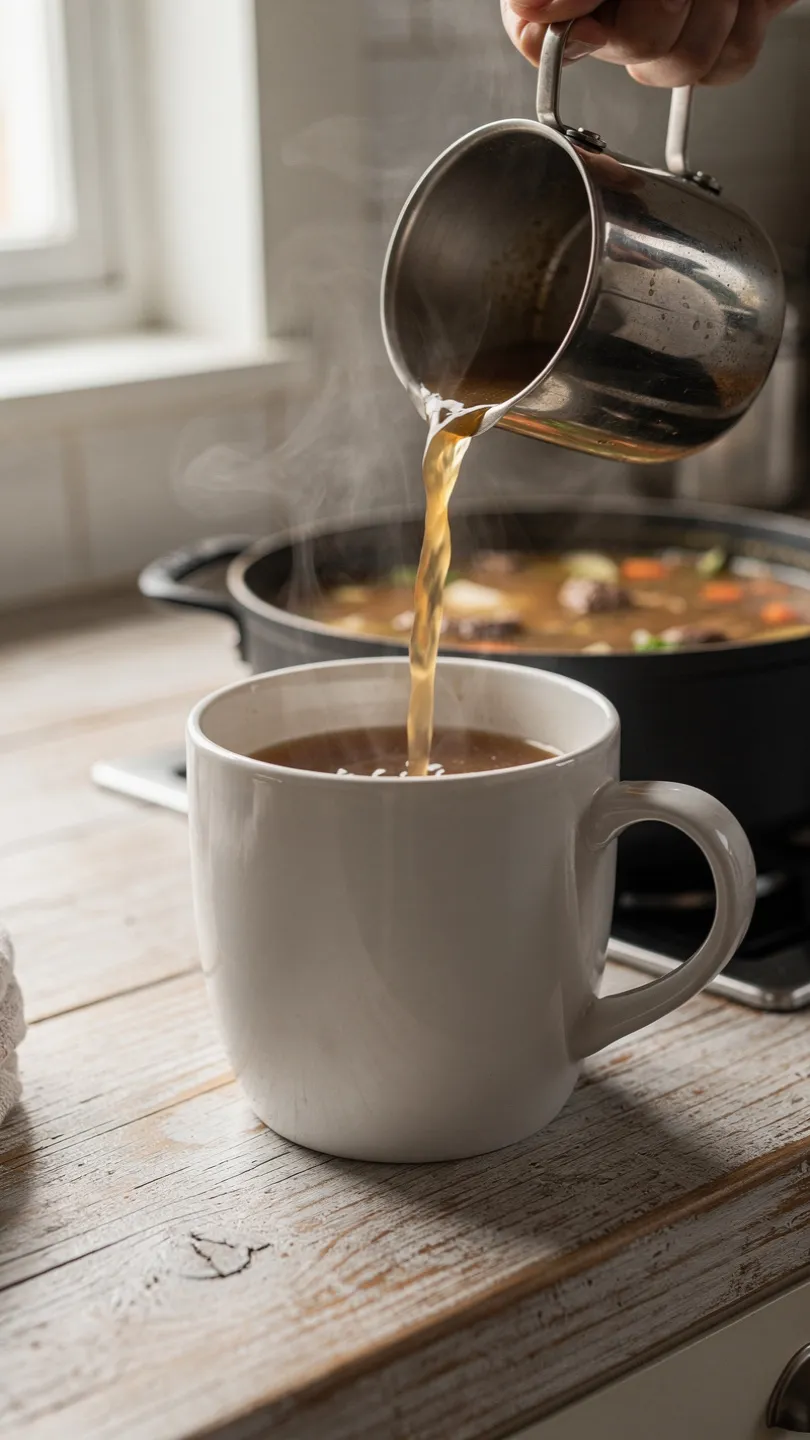
Because the flavor is concentrated, start small and taste as you go. You can always add more, but you can’t pull it back out. I use this trick in my beef brisket chili recipe, where a spoonful of bouillon rounds out the whole pot. Out of beef bouillon entirely? Don’t worry. You can swap in a chicken bouillon substitute, beef stock, or even a splash of soy sauce mixed with onion powder for a quick fix.
The Clean, Flavor-First Advantage
Here’s something I care about a lot. Not all bouillon is built the same, and the ingredient list matters. Many cooks now look for clean options without questionable additives, artificial preservatives, or hidden alcohol-based flavorings. The good news? You can absolutely find beef bouillon that keeps things simple and pure.
Why does this matter for taste, not just labels? Because cleaner ingredients let the real beef and aromatics come forward. As a result, the umami feels deeper and more honest. When I cook for friends like Emma and Sophia, I want every spoonful to taste like genuine, slow-simmered broth. So I read labels carefully and pick products with recognizable, whole-food ingredients.
Pro Tips for Better Bouillon Flavor
- Bloom it first: Dissolve bouillon in a little hot water before adding it to a dish for smoother flavor.
- Layer slowly: Add half now, taste, then add more so the saltiness stays balanced.
- Boost the aromatics: Toss in fresh garlic or a bay leaf to make store-bought bouillon taste homemade.
- Check the label: Choose options with clean, simple ingredients for the truest beef flavor.
Ultimately, smart use comes down to balance. Use just enough to deepen the dish, and let your fresh ingredients do the rest. Cooking this way keeps every bite tasting rich, clean, and unmistakably beefy.
Make Your Own Beef Bouillon at Home
Ready to skip the store entirely? Making beef bouillon at home is easier than you’d think, and you control every single ingredient. That means less salt, no mystery additives, and a flavor you can adjust to your taste. So grab a few pantry staples, and let’s build a batch together.
The process is simple. You combine dry seasonings with a beef flavor base, blend everything into a fine powder, and store it. Honestly, it takes about five minutes of hands-on work. After that, you’ve got homemade beef bouillon ready whenever a recipe calls for it.
Simple Ingredients and Steps
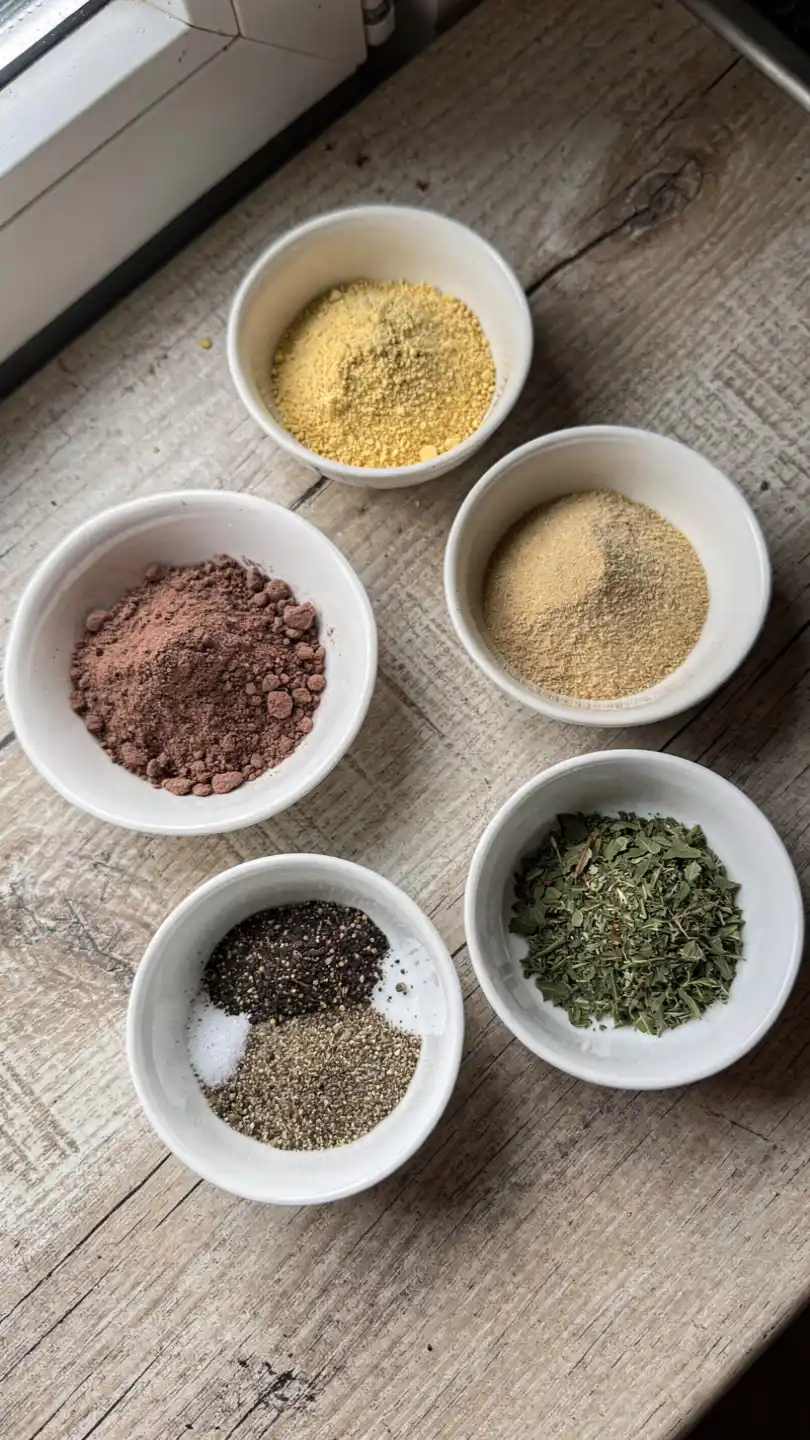
Here’s what you’ll need to gather first:
- Dehydrated beef powder or a quality beef extract
- Nutritional yeast for savory, umami depth
- Onion powder and garlic powder
- Dried parsley, thyme, and celery seed
- Black pepper and salt, adjusted to taste
Now follow these quick steps:
- Measure: Add all dry ingredients to a bowl.
- Blend: Pulse everything in a spice grinder until fine and even.
- Taste: Adjust salt and seasonings to your liking.
- Store: Pour into a clean, airtight jar.
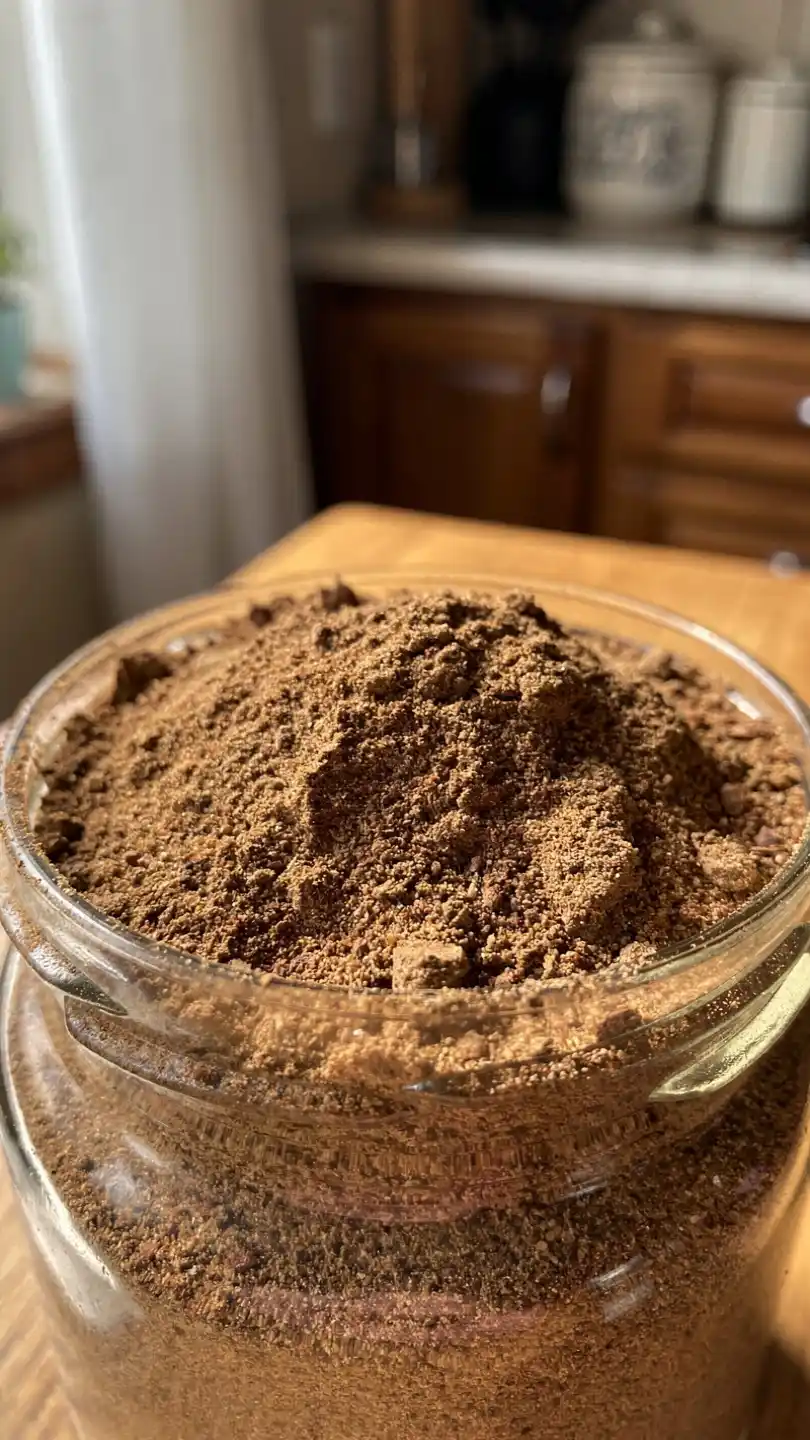
That’s it. You can use one teaspoon per cup of water, just like store-bought. For a richer twist, mix the powder with a little beef fat and press it into cube molds. I make a similar batch whenever I prep my hamburger potato soup recipe, since the homemade version tastes noticeably fresher.
Storage and Shelf Life
Good storage keeps your beef bouillon tasting great for months. Powder does best in a cool, dark pantry inside a sealed jar, where it stays fresh for up to six months. Homemade cubes, meanwhile, prefer the freezer, and they hold their flavor for about a year.
A few quick rules help a lot. Always use a dry spoon, since moisture causes clumping. Label the jar with the date so you track freshness easily. If the powder ever smells flat or looks discolored, toss it and make a new batch. Treat it well, and your bouillon rewards you with reliable flavor every time. If you love savory powders, my chicken bouillon powder post follows the same easy method.
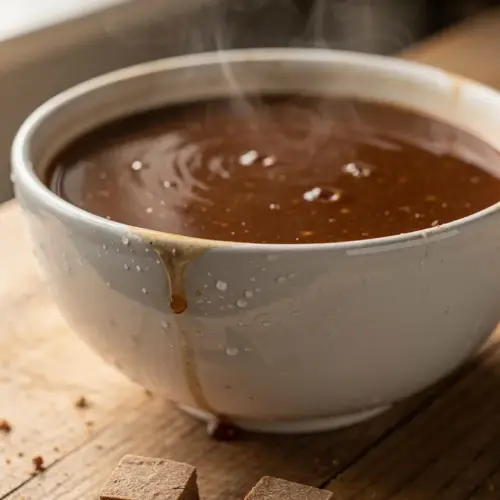
Beef Bouillon: 7 Easy Ways to Richer Soups

Equipment
- Spice grinder or food processor
- Airtight jar
Ingredients
- 1/2 cup dehydrated beef powder or beef extract
- 2 tablespoons nutritional yeast
- 1 tablespoon onion powder
- 1 tablespoon garlic powder
- 1 teaspoon dried parsley
- 1 teaspoon dried thyme
- 1 teaspoon celery seed
- 1 teaspoon black pepper
- 1 teaspoon salt adjust to taste
Instructions
- Add all dry ingredients to a bowl.
- Pulse everything in a spice grinder until fine and uniform.
- Taste and adjust salt and seasonings as needed.
- Transfer to a clean, airtight jar and store in a cool, dark pantry.
Notes
FAQs
What exactly is beef bouillon?
Beef bouillon is concentrated beef flavor made from beef stock or extract, salt, and seasonings. Makers cook the liquid down and dry it into a cube, powder, or paste. When you add water, it dissolves into a quick, savory broth perfect for soups and sauces.
Is beef bouillon the same as a stock cube?
hey’re nearly identical and work the same way. A stock cube often starts from simmered bones, so it tastes slightly richer, while bouillon leans on meat and seasonings. Still, most brands use the terms interchangeably, so you can swap one for the other freely.
Is beef bouillon soup the same as beef broth?
Not quite, though they’re close cousins. Beef broth is a ready-to-use liquid, while bouillon is that flavor concentrated and dried. Dissolve bouillon in hot water, and you essentially recreate broth. So you can use bouillon to make a fast, broth-like soup anytime.
What broth do hospitals use?
Hospitals typically serve clear, low-fat broths on liquid diets, and these often come from bouillon or commercial broth bases. Clear broth is easy to digest and gentle on the stomach. That’s why a simple dissolved bouillon broth feels so comforting when you’re under the weather.
Final Thoughts on Beef Bouillon
At the end of the day, beef bouillon is one of those quiet kitchen heroes that makes everything taste better. It rescues bland soups, deepens gravies, and seasons meats with almost no effort. Plus, it stores for months, so you always have flavor ready. Whether you buy a clean store version or blend your own at home, this little pantry staple delivers big. So next time dinner feels flat, reach for beef bouillon and watch the whole dish come alive. Trust me, your taste buds, and your hungry friends, will thank you. For more cozy recipes and kitchen inspiration, come follow me over on Pinterest, where I pin every new dish I create.