Tomato bouillon is the one pantry staple I wish I’d discovered sooner. One teaspoon stirred into Mexican rice and the whole pot transforms — rich color, deep savory flavor, done in seconds. In this guide, I’ll cover what tomato bouillon is, how it tastes, the best brands to buy, and what to use when you run out — just like I do for chicken bouillon substitutes.
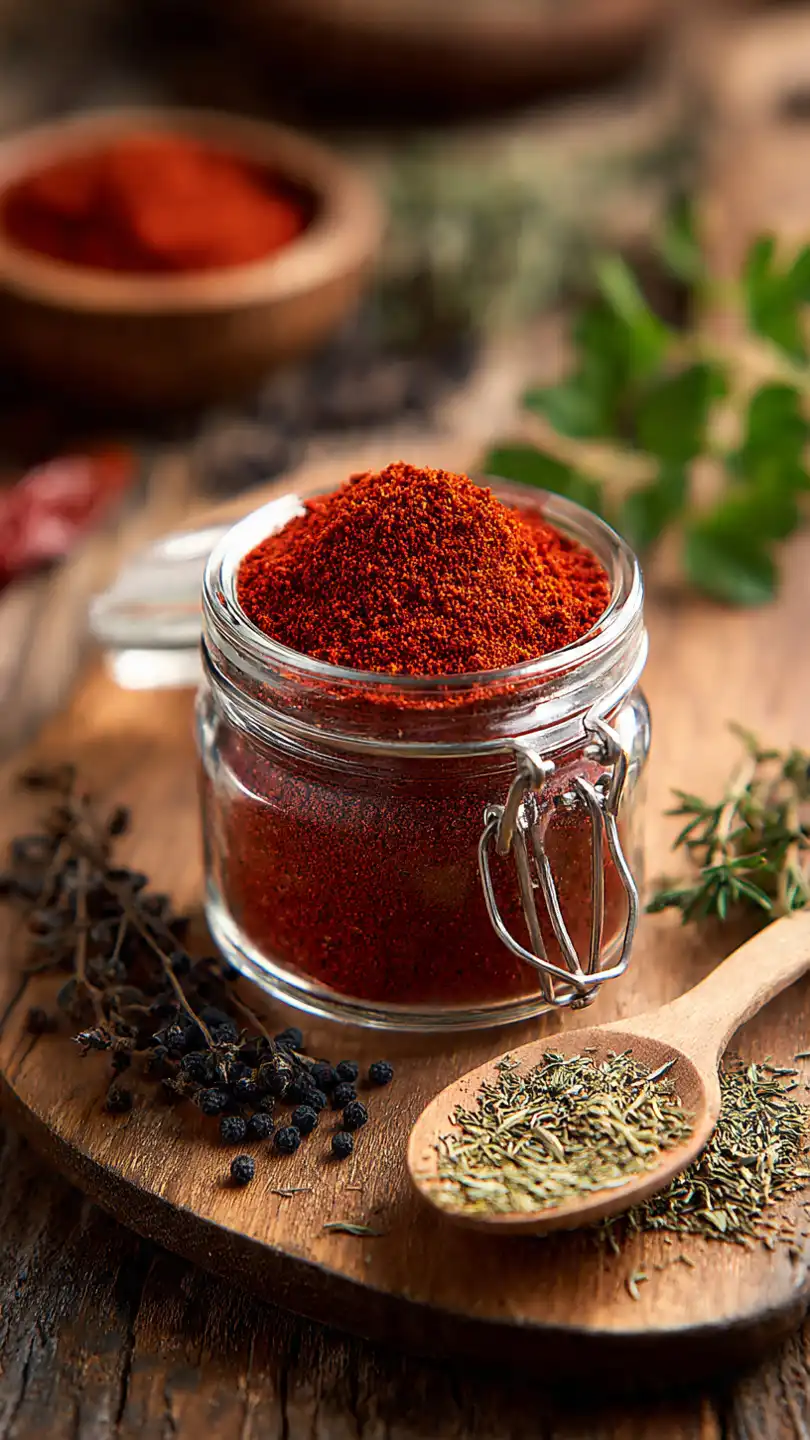
Table of Contents
Tomato Bouillon: What It Is and Why It Belongs in Your Pantry
Tomato bouillon is a concentrated, dehydrated flavoring made from tomato solids, salt, herbs, and — in most popular versions — a base of chicken or vegetable stock. It comes in three main forms: granulated powder, cubes, and occasionally paste. The powder form is by far the most common, and it’s the format you’ll see in nearly every Latin American pantry across the United States. You dissolve it in hot water to create a rich tomato-flavored broth, or you stir it directly into rice, soups, and sauces to build deep, savory layers of flavor without any chopping or simmering required.
Unlike fresh tomatoes, tomato bouillon doesn’t add extra liquid to your dish. That’s one of its biggest strengths. When you cook Mexican rice, for example, you want intense tomato flavor without turning the pot soggy. One teaspoon of tomato bouillon powder delivers that tomato richness and seasoning in a single step. It’s efficient, shelf-stable, and packed with flavor that takes fresh tomatoes far longer to develop.
What’s Actually Inside Tomato Bouillon
Most commercial tomato bouillon products share a core set of ingredients. Here’s what you’ll typically find on the label:
- Tomato powder or tomato solids — the primary flavor driver
- Salt — usually 700–900 mg per teaspoon serving
- Onion and garlic powder — for aromatic depth
- Dried herbs — commonly parsley, oregano, or basil
- Sugar — a small amount to balance the natural acidity
- Chicken fat or chicken powder — present in chicken-flavored versions like Knorr
- Anti-caking agents — silicon dioxide in powder formats
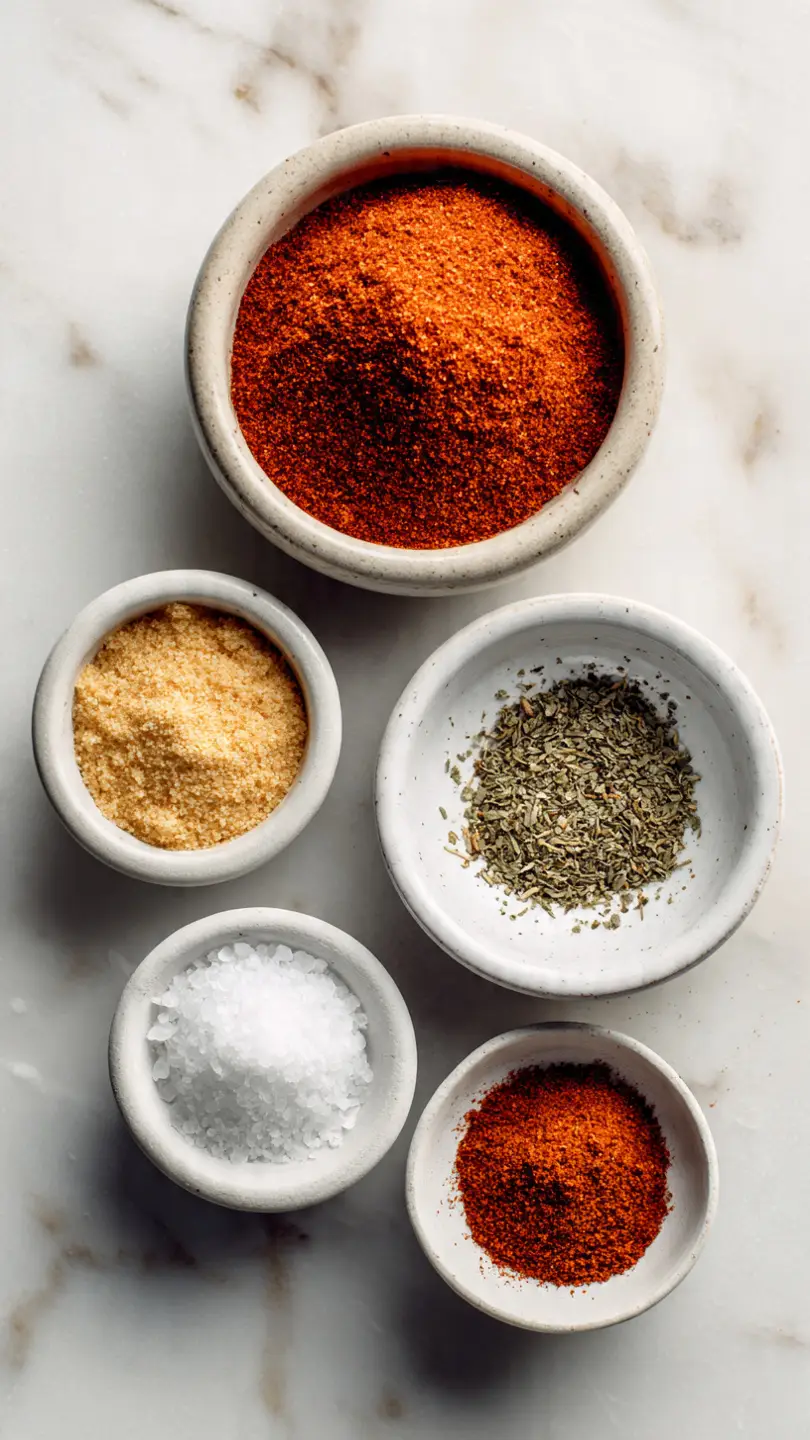
The chicken-flavored version — most famously the Knorr Tomato Bouillon with Chicken Flavor — layers umami from chicken stock with the bright tang of tomato. That combination is what makes it taste so much richer than plain tomato sauce or tomato paste on its own. If you’ve ever cooked authentic Mexican rice or a quick pozole, you’ve almost certainly reached for a version of this product without even thinking twice about it.
It’s worth noting that the sodium content runs high in most brands. A single teaspoon can carry anywhere from 700 to 900 mg of sodium, which is a significant portion of the daily recommended limit. So always taste your dish before adding any extra salt. This is a habit I’ve built into every recipe I develop — bouillon seasons the whole pot, and adding salt on top is one of the easiest ways to over-season a dish.
My Pantry Tip
Check the sodium content before you buy. High-quality tomato bouillon should list “tomato powder” or “tomato solids” within the first three ingredients. If “salt” appears first, the tomato flavor will be muted and overly salty. Knorr consistently keeps tomato front and center — that’s why it performs so well in Mexican rice and soups.
Tomato Bouillon vs. Tomato Paste vs. Tomato Sauce: What’s the Difference?
One of the most common questions home cooks ask is whether they can swap tomato bouillon for tomato paste or tomato sauce. The short answer is no — not without adjustments. These three ingredients do different jobs in the kitchen, and understanding the difference will save your dish from going flat. Here’s a clear comparison:
| Ingredient | Form | Flavor Profile | Best Use | Sodium Level |
|---|---|---|---|---|
| Tomato Bouillon | Powder / Cube | Savory, umami-rich, tangy, seasoned | Soups, rice, broths, stews | Very High (700–900 mg) |
| Tomato Paste | Thick paste | Deep, concentrated pure tomato | Sauces, braises, thick bases | Low |
| Tomato Sauce | Liquid | Mild, slightly sweet, light | Pasta sauces, pizza bases | Medium |
| Fresh Tomatoes | Whole / Chopped | Bright, acidic, fresh | Salsas, salads, fresh sauces | Negligible |
Tomato bouillon works as a complete seasoning system in a single ingredient. You get tomato flavor, salt, herbs, and umami all at once — no caramelizing, no simmering down, no extra seasoning required. Tomato paste, by contrast, gives you pure concentrated tomato without any added salt or spice, so you build the seasoning yourself. Tomato sauce adds liquid along with flavor, which can throw off the texture of dishes like rice where you want a dry, fluffy finish.
Think of it this way: tomato bouillon is for speed and depth. Tomato paste is for control. Tomato sauce is for volume. Each one has its moment in the kitchen, and the best home cooks keep all three on hand.
If you already love cooking with concentrated flavor bases, my detailed guide on chicken bouillon covers everything from formats to substitutes. And if you want to build a full bouillon pantry, don’t miss the post on beef bouillon powder — it’s a game-changer for soups and braises.

Knorr Bouillon Bundle — Chicken, Beef & Tomato (3 × 7.9 oz)
This bundle covers all three essential Knorr bouillon flavors in one order. I keep the tomato version on my counter at all times — it’s the backbone of my Mexican rice and a weeknight soup secret weapon. The granulated format dissolves fast and stores well for months.
View on Amazon →What Does Tomato Bouillon Taste Like and How Do You Use It
The first time Charlotte tasted my chicken tinga tacos, she grabbed my arm and asked what I’d done differently. I pointed to the little jar of tomato bouillon sitting next to the stove. She stared at it for a moment, clearly skeptical. “That tiny thing?” Yes, that tiny thing. Tomato bouillon punches well above its weight in the flavor department, and once you understand exactly what it brings to a dish, you’ll reach for it constantly — not just for Mexican cooking but for everything from weeknight pasta to hearty lentil soup.
The Flavor Profile You Can Expect from Tomato Bouillon
Tomato bouillon delivers a layered, savory flavor that fresh tomatoes simply can’t replicate in a short cooking window. Here’s what you actually taste when you dissolve it in hot liquid or stir it into a dish:
- Tangy tomato richness — the concentrated tomato base gives a sweet-acidic backbone
- Deep umami — the chicken or vegetable stock component adds savory depth
- Herbal warmth — oregano, parsley, and garlic powder round out the profile
- A gentle saltiness — it seasons the whole dish as it dissolves
- A warm color — it tints broths and rice a beautiful brick-orange hue
What it doesn’t taste like is ketchup or canned tomato soup. That’s a common misconception. Tomato bouillon is not sweet or one-dimensional. When you dissolve a teaspoon in hot water, the broth you get is somewhere between a light chicken broth and a tomato consommé — savory, clean, and genuinely complex. It’s much closer to a well-seasoned stock than to anything from a can of sauce.
The cube version, like the Knorr Caldo de Tomate, tends to deliver a slightly bolder, more concentrated flavor than the granulated powder. The powder, on the other hand, dissolves faster and works better when you want to season a dish directly without adding extra liquid. Both taste excellent — it really comes down to convenience and what your recipe calls for.
How to Taste Tomato Bouillon Before Cooking
Dissolve ¼ teaspoon of tomato bouillon powder in ½ cup of hot water and sip it like a broth. That’s exactly what it will add to your dish. If it tastes salty, cut back on any added salt in your recipe. If it tastes mild, you can use a slightly larger amount — but always start small and build up.
Best Dishes to Cook with Tomato Bouillon
Tomato bouillon is especially popular in Latin American cooking, but its uses go far beyond one cuisine. Here are the dishes where it genuinely makes a difference — organized by cooking style so you can find the right fit fast:
Rice and Grain Dishes
- Mexican red rice — the single best use case; 1 tsp powder colors and flavors the entire pot
- Arroz con pollo — adds tomato depth to the cooking liquid without extra liquid
- Quinoa pilaf — stir ½ tsp into the cooking water for a savory, tomato-kissed finish
Soups and Stews
- Tortilla soup — dissolve 2 cubes into your base for instant restaurant-quality depth
- Lentil soup — pairs beautifully with cumin, smoked paprika, and a squeeze of lemon
- Chicken pozole — adds the tomato layer that makes the broth rich and glossy
- Taco soup — just one teaspoon transforms a simple ground beef soup into something seriously good, as you’ll see in this taco soup frios recipe
Sauces and Braises
- Shakshuka base — adds umami depth to the tomato and pepper sauce
- Braised chicken thighs — dissolve 1 cube in the braising liquid for extra body
- Pasta sauce shortcut — a pinch of tomato bouillon powder deepens a quick canned tomato sauce
Dishes Where You Should Skip It
- Fresh salads or cold dishes — the cooked tomato flavor tastes flat against raw ingredients
- Delicate white fish — the bold saltiness overwhelms mild proteins
- Low-sodium recipes — unless you use a reduced-sodium version and adjust carefully
The key rule I follow is simple: use tomato bouillon any time you want tomato flavor fast in a hot dish. Skip it when freshness and brightness matter more than depth and richness. If you want to explore the full world of bouillon-based cooking, this guide to chicken bouillon powder is a great next step — the techniques cross over perfectly.
| Dish | Recommended Amount | Best Format | When to Add |
|---|---|---|---|
| Mexican rice (2 cups dry) | 1 tsp powder | Granulated powder | With the cooking liquid |
| Soup broth (4 cups water) | 2 cubes or 2 tsp powder | Cube or powder | At the start of simmering |
| Braising liquid (1 cup) | 1 cube | Cube | Dissolved before adding meat |
| Pasta sauce (24 oz) | ½ tsp powder | Granulated powder | During the first 5 minutes |
| Quick vegetable stir-fry | ¼ tsp powder | Granulated powder | Dissolved in 2 tbsp water, added last |

Knorr Caldo de Tomate Bouillon Cubes
These cubes are what I reach for when making tortilla soup or chicken pozole. They dissolve cleanly in hot liquid and deliver a bolder, more concentrated tomato flavor than the powder. One cube per two cups of broth is my go-to ratio — it seasons and colors the broth beautifully without overpowering the other ingredients.
View on Amazon →Best Tomato Bouillon Brands and Where to Buy Them
My friend Amelia once drove to three different grocery stores looking for tomato bouillon because she didn’t know what section to check. She finally found it in the Latin foods aisle — not the soup aisle, not the spice section. That’s the kind of practical detail that saves you twenty minutes of frustration. Knowing which brand to grab and exactly where to look makes all the difference. So let’s talk about both.
Knorr Tomato Bouillon — Why It Leads the Market
Knorr is the dominant brand when it comes to tomato bouillon in the United States, and it has held that position for good reason. Their Tomato Bouillon with Chicken Flavor — sold in granulated powder form — blends dehydrated tomato, chicken fat, onion, garlic, parsley, and spices into a fast-dissolving seasoning that works in nearly every savory application. The flavor is well-balanced: tomato-forward with enough umami from the chicken base to round out the saltiness.
Here’s how the most widely available tomato bouillon brands compare so you can pick the right one for your kitchen:
| Brand | Format | Flavor Base | Best For | Where to Buy |
|---|---|---|---|---|
| Knorr Tomato with Chicken | Granulated powder | Chicken + tomato | Mexican rice, soups, stews | Walmart, Amazon, Target, Kroger |
| Knorr Caldo de Tomate | Cubes | Chicken + tomato | Broths, pozole, tortilla soup | Walmart, Amazon, Latin grocery stores |
| Better Than Bouillon Tomato | Paste (jar) | Vegetable + tomato | Sauces, braises, risotto | Whole Foods, Amazon, most supermarkets |
| Goya Tomato Bouillon | Cubes | Tomato + vegetable | Caribbean-style dishes, rice | Latin grocery stores, Walmart, Amazon |
| Cocinort Caldo de Tomate | Powder | Tomato + spices | Authentic Mexican cooking | Mexican grocery stores, online |
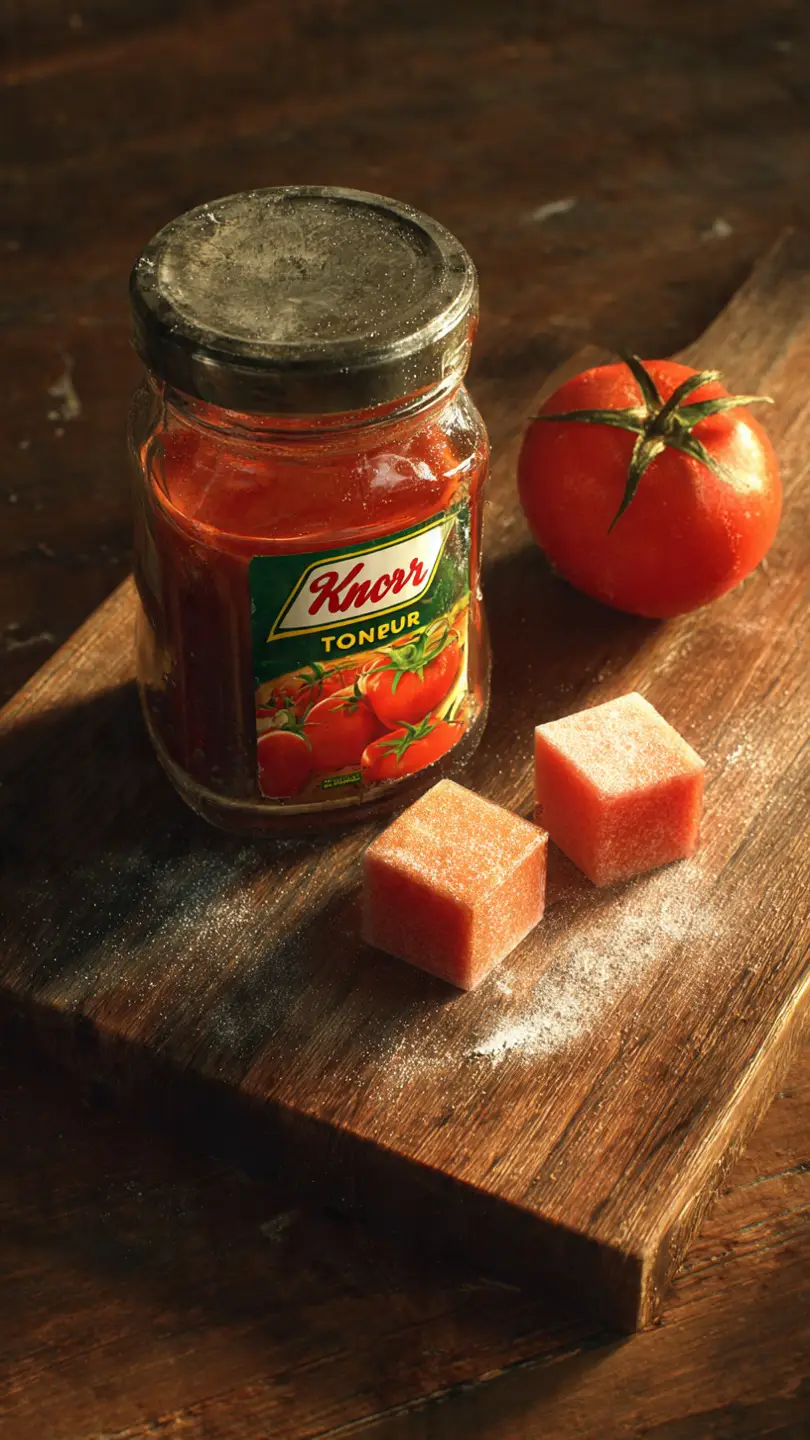
For most home cooks in the US, Knorr is the go-to starting point. It’s the most widely stocked, the most consistent batch to batch, and the format most recipes are calibrated to. If you want to try a paste-style option with cleaner ingredients and less sodium per serving, Better Than Bouillon is worth the upgrade — especially for slow-cooked dishes where you have more control over seasoning.
If you already use chicken bouillon in your cooking, the tomato version fits right into the same workflow. Check out this full breakdown of how to make broth with bouillon cubes — the same technique applies perfectly to tomato bouillon cubes for soups and rice dishes.
How to Pick a Good Tomato Bouillon — Label Reading Tips
- Check ingredient position: “Tomato powder” or “tomato solids” should appear in the first three ingredients — not buried after salt and sugar.
- Watch the sodium: Anything above 900 mg per teaspoon is on the high end. Look for reduced-sodium options if you cook bouillon-based dishes daily.
- Avoid vague “natural flavors” as the lead: That’s usually a sign the tomato content is minimal and the flavor comes mostly from additives.
- Powder vs. cube: Powder dissolves faster and works better for dry seasoning. Cubes give a bolder punch in liquid-heavy dishes like soups and braises.
Where to Find Tomato Bouillon Near You
Tomato bouillon isn’t always where you’d expect it. Many shoppers check the soup aisle first and walk away empty-handed. Here’s exactly where to look depending on your store:
- Walmart — Check the Latin foods aisle or the international foods section. Knorr tomato bouillon powder is almost always stocked here in the larger 7.9 oz jar.
- Target — Usually in the international aisle alongside other Knorr products. Availability varies by location.
- Kroger / Safeway / Albertsons — Look in the international or Hispanic foods section. Some stores also stock it near the bouillon cubes in the soup aisle.
- Whole Foods — Better Than Bouillon’s tomato paste version is your best bet here. It’s shelved near the broths and soup bases.
- Latin or Mexican grocery stores — The widest selection by far. You’ll find Knorr, Goya, Cocinort, and regional brands all in one place, often at lower prices.
- Amazon — The most reliable option for buying in bulk. The Knorr 3-pack bundle (chicken, beef, and tomato) is excellent value and ships fast.
If you’re having trouble finding it locally, ordering online is the fastest solution. The granulated powder has a long shelf life — up to 18 months when stored in a cool, dry place — so buying in bulk makes practical sense. A good airtight jar also helps keep the powder fresh and clump-free between uses.

Airtight Glass Spice Jars
Whether you’re storing a bulk bag of Knorr or keeping your homemade tomato bouillon powder fresh, a quality airtight jar makes a real difference. I transferred my bouillon to one of these glass jars the moment it arrived — no more clumping, no more moisture sneaking in. They stack cleanly in the cabinet and the labels actually stick properly.
View on Amazon →Once you have your tomato bouillon stocked and stored, you’re set for months of weeknight cooking. The bouillon cluster on this site covers the whole family of flavors — if you want to round out your pantry, the guide to chicken bouillon substitutes is a great companion read, especially for the days when you run out mid-recipe.
Tomato Bouillon Substitutes and How to Make Your Own
Even the best-stocked pantries run dry at the wrong moment. I’ve been mid-recipe more times than I can count, reaching for the tomato bouillon jar only to find it empty. The good news is that several reliable substitutes work well in a pinch — and if you want total control over what goes into your food, making your own tomato bouillon powder at home takes less than 20 minutes and keeps for months.
Top Substitutes for Tomato Bouillon
The right substitute depends on what your recipe actually needs. Tomato bouillon does two things at once: it adds tomato flavor and it seasons the dish. A good substitute should do at least one of those jobs well. Here are the most practical options, ranked by how closely they match the original:
| Substitute | Ratio | Flavor Match | Best Used In | What’s Missing |
|---|---|---|---|---|
| Tomato paste + chicken bouillon | 1 tbsp paste + ½ tsp bouillon per 1 tsp tomato bouillon | ★★★★★ | Mexican rice, soups, stews | Nothing — closest match |
| Tomato powder + salt + garlic powder | 1 tsp tomato powder + ¼ tsp salt + pinch garlic | ★★★★☆ | Dry rubs, rice, sauces | Umami depth |
| Chicken bouillon alone | 1:1 ratio | ★★★☆☆ | Soups, rice when tomato isn’t critical | Tomato flavor and color |
| Tomato sauce + chicken broth | 3 tbsp sauce + reduce liquid in recipe | ★★★☆☆ | Soups, braised dishes | Concentrated flavor |
| Vegetable bouillon + tomato paste | ½ tsp bouillon + 1 tsp paste | ★★★☆☆ | Vegetarian dishes, lentil soup | Chicken umami base |
| Jarred salsa | ¼ cup salsa per 1 tsp bouillon | ★★☆☆☆ | Mexican rice only | Concentrated depth, adds liquid |
The hands-down best substitute is tomato paste combined with chicken bouillon. You get the pure concentrated tomato from the paste and the savory umami seasoning from the bouillon. Stir the tomato paste into your aromatics first and let it cook for two minutes before adding liquid — this step removes the raw taste and adds a caramelized depth that makes the dish taste like it simmered for hours.
For Mexican rice specifically, this combo works perfectly. You add the paste with the onion and garlic, cook it down, then pour in your water or broth with the chicken bouillon dissolved in it. The result is nearly identical to using tomato bouillon straight from the jar. This approach works just as well in a rich hamburger potato soup where you want tomato depth without a dedicated bouillon product.
The One Substitute to Avoid
Don’t use condensed tomato soup as a tomato bouillon substitute. It contains sugar, modified starch, and extra water — all of which throw off the texture of rice and unbalance the seasoning in soups. It turns rice orange and gummy. Stick to tomato paste, powder, or sauce instead.
How to Make Homemade Tomato Bouillon Powder
Making tomato bouillon at home gives you complete control over sodium, ingredients, and flavor intensity. This homemade version stores for up to three months in an airtight jar and works cup-for-cup just like the store-bought powder. My friend Sophia switched to this after cutting back on processed foods, and she says she’ll never go back to the jar version again.
The base recipe is simple: dehydrated tomato, salt, garlic, onion, and dried herbs blended into a fine powder. You can adjust the salt level freely, add smoked paprika for depth, or include a pinch of cumin for a more Mexican-leaning profile. It takes about 15 minutes of active prep and a few hours of oven time to dehydrate the tomato paste base.
Once you have your homemade tomato bouillon powder ready, use it exactly like the commercial version — one teaspoon per cup of broth, or stirred directly into rice before the cooking liquid goes in. It also adds incredible depth to a creamy soup base, like this marry me chicken soup — just a half teaspoon of the homemade powder in the broth takes it to the next level.
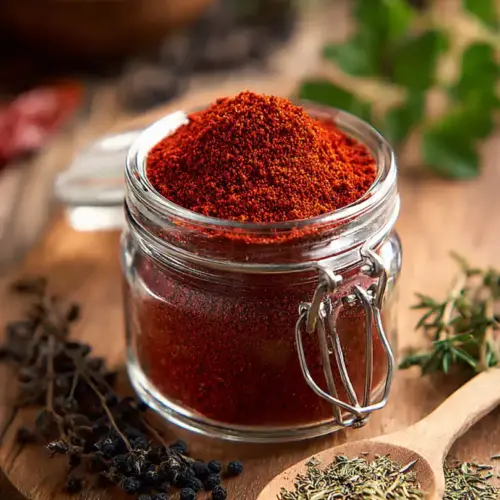
Homemade Tomato Bouillon Powder
Equipment
- Small Mixing Bowl
- Spice grinder or food processor
- Airtight glass spice jar
- Measuring Spoons
Ingredients
Dry Base
- 3 tbsp tomato powder dehydrated — available online or in specialty stores
- 1 tbsp salt fine sea salt or kosher salt
- 1 tsp garlic powder
- 1 tsp onion powder
Herbs and Spices
- 1 tsp dried oregano Mexican oregano preferred
- 1 tsp dried parsley
- 1/2 tsp smoked paprika adds color and gentle warmth
- 1/4 tsp ground cumin optional — for a Mexican-style profile
- 1/2 tsp sugar balances tomato acidity
Instructions
- Combine the tomato powder, salt, garlic powder, and onion powder in a small bowl. Stir well so the salt distributes evenly through the tomato base.
- Add the dried oregano, dried parsley, smoked paprika, cumin (if using), and sugar. Mix thoroughly until the blend looks uniform in color with no visible clumps.
- Transfer the mixture to a spice grinder or small food processor. Pulse 8–10 times until the herbs are broken down into a fine, even powder. This step is optional but gives you a smoother, faster-dissolving result.
- Taste a tiny pinch dissolved in a teaspoon of hot water. Adjust salt or tomato powder to your preference before storing.
- Spoon the finished powder into an airtight glass spice jar. Seal tightly and store in a cool, dry place away from direct light. Label with the date — it keeps for up to 3 months at full flavor.
Notes
FAQs
What is tomato bouillon?
Tomato bouillon is a concentrated, dehydrated seasoning made from tomato solids, salt, herbs, and usually a chicken or vegetable stock base. It comes in powder, cube, and paste formats. You dissolve it in hot water to make a tomato-flavored broth, or stir it directly into soups, rice, and sauces to add instant savory tomato depth without fresh tomatoes or long cooking times.
What to use instead of tomato bouillon?
The best substitute is one tablespoon of tomato paste combined with half a teaspoon of chicken bouillon per teaspoon of tomato bouillon your recipe calls for. Cook the tomato paste with your aromatics first, then dissolve the chicken bouillon in your liquid. Other solid options include tomato powder seasoned with salt and garlic powder, or a combination of tomato sauce and chicken broth with reduced liquid amounts.
What can I substitute for tomato bouillon in Mexican rice?
For Mexican rice specifically, tomato paste plus chicken bouillon is the closest match. Add one tablespoon of tomato paste to the pan with your onion and garlic, cook it for two minutes until it darkens slightly, then pour in your water with half a teaspoon of chicken bouillon dissolved in it. This gives you the same brick-red color, savory depth, and tomato flavor that tomato bouillon delivers in a single step. Jarred salsa works too, but reduce the water in the recipe since salsa adds extra liquid.
What does tomato bouillon taste like?
Tomato bouillon tastes savory, tangy, and umami-rich — nothing like plain tomato sauce or ketchup. When dissolved in hot water, it produces a broth that sits between a light chicken stock and a tomato consommé: clean, well-seasoned, and genuinely complex. The chicken-flavored versions add an extra layer of meaty depth that balances the acidity of the tomato perfectly. It also colors broths and rice a warm brick-orange that looks as good as it tastes.